




- Find the best broker for your trading needs
- Compare spreads, fees, and platforms
- Read in-depth reviews and analysis

Page Navigation


Select a different country or region to view content tailored to your location.

FxScouts helps traders across the globe by meticulously testing and reviewing online brokers and providing Forex education and market analysis. Our partners compensate us through paid advertising. While partners may pay to provide offers or be featured, they cannot pay to alter our recommendations, advice, ratings, or any other content. Our content and research teams do not participate in any advertising planning nor are they permitted access to advertising campaign data. For more detailed information click this link.

<p>Alison Heyerdahl is the Head of Content at FxScouts, a Chartered Market Technician (CMT), and an experienced trader, as well as a financial writer with extensive expertise in Forex trading, broker analysis, and market research. She has reviewed 100+ brokers, publishes weekly YouTube trading videos, and co-hosts the “Let’s Talk Forex” podcast.</p>

<p>Alison Heyerdahl is the Head of Content at FxScouts, a Chartered Market Technician (CMT), and an experienced trader, as well as a financial writer with extensive expertise in Forex trading, broker analysis, and market research. She has reviewed 100+ brokers, publishes weekly YouTube trading videos, and co-hosts the “Let’s Talk Forex” podcast.</p>
Chris manages the relationships with our partners to provide the best Forex trading experience possible for our users. Chris has 15+ years of research, and editorial and design experience for political and financial publications. His background has given him a deep understanding of international financial markets and the geopolitics that affect them.
If you’re new to Forex trading, it can be difficult to know where to start. The Forex market is complex, and the amount of information available can be overwhelming, especially when you’re trying to choose a trustworthy broker and learn the basics at the same time.
Our goal is to give traders the best start to their Forex trading careers by recommending only the best beginner brokers in Australia. These brokers all share the same essential qualities. They all have:
Trusted. Transparent. Tested.
For over a decade, we’ve set the standard in forex broker reviews—collecting thousands of data points yearly to deliver unbiased, expert-backed insights.
Skip the trial and error! Below, you’ll find the best forex brokers for Australian traders for 2026—thoroughly tested, verified, and ranked, so you can trade with confidence.


Select another broker to another broker to compare features, fees, and platforms side by side.
Find Your Ideal Forex Broker
Select another broker to another broker to compare features, fees, and platforms side by side.

0.0 pips
CMA, FSA-Seychelles, FSC, FSCA, ASIC
AUD 100
cTrader, MT4, TradingView, MT5, IRESS
30:1
FP Markets is based in Sydney and licensed by ASIC, providing strong protections for Australian beginners.
The Standard account has no commissions and low spreads, making it simple and low-risk for first-time traders.
Deposit in AUD using bank transfer, PayID, POLi or card — no conversion or international fees.
Practice risk-free with a full-featured demo account before trading live.
FP Markets offers beginner webinars, video tutorials, and trading guides covering Forex basics to technical analysis.
Access support via phone, live chat, or email — with Australia-based assistance available during AEST hours.
Some platforms are more feature-rich than some beginners may need starting out.
Low-risk beginners may want simplicity, but tight spreads are only available with the Raw ECN account and an added commission.
FP Markets | Best Forex Broker for Beginners

FxScouts
 YouTube
Select another broker to another broker to compare features, fees, and platforms side by side.

0.0 pips
CMA, BaFin, SCB, DFSA, ASIC, CySEC, FCA
AUD 100
Pepperstone Platform, cTrader, MT4, TradingView, MT5
30:1
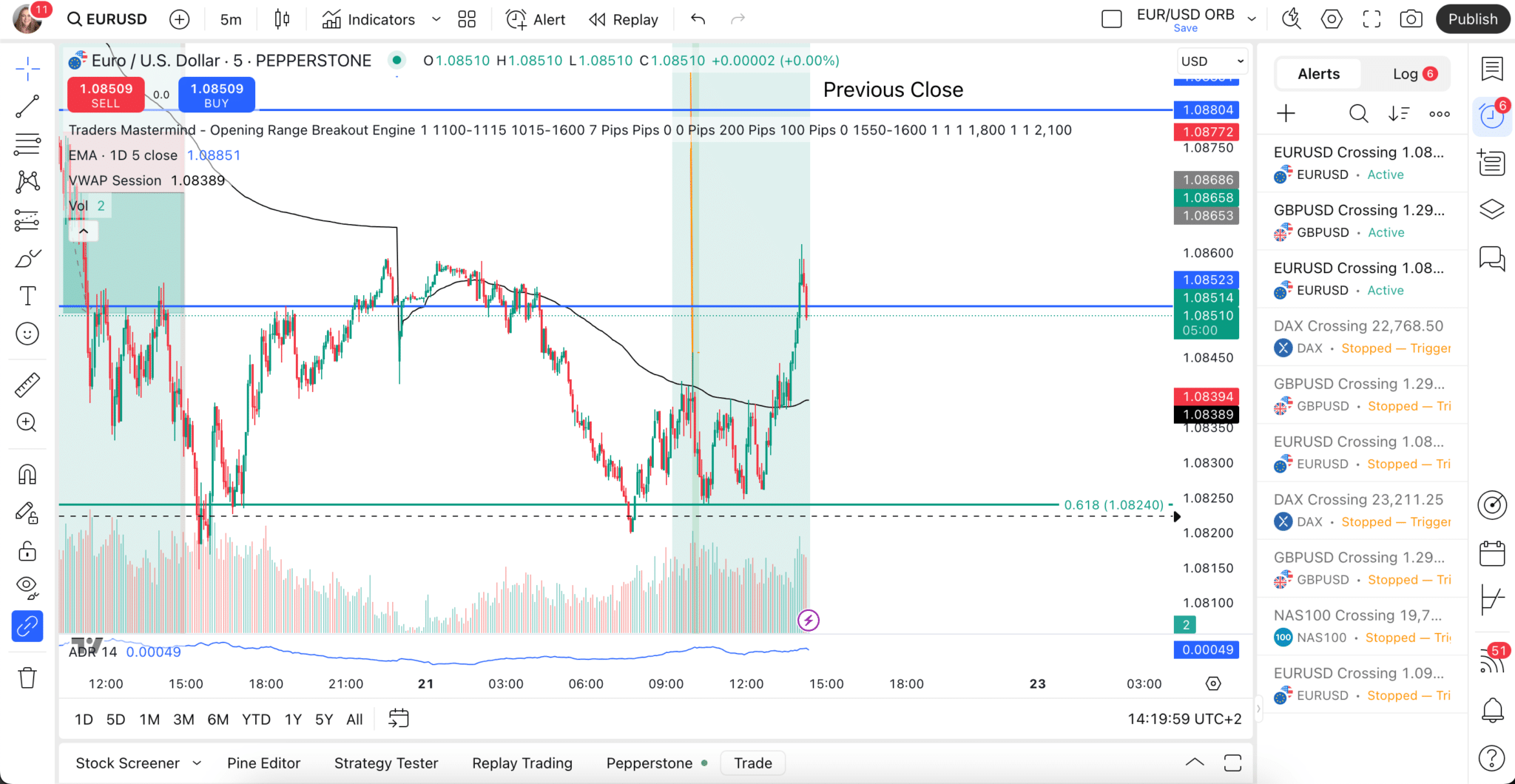
Fully licensed and locally headquartered — Pepperstone is a trusted Aussie broker with award-winning customer service.
Start trading with any amount — ideal for cautious beginners who want to test the waters first.
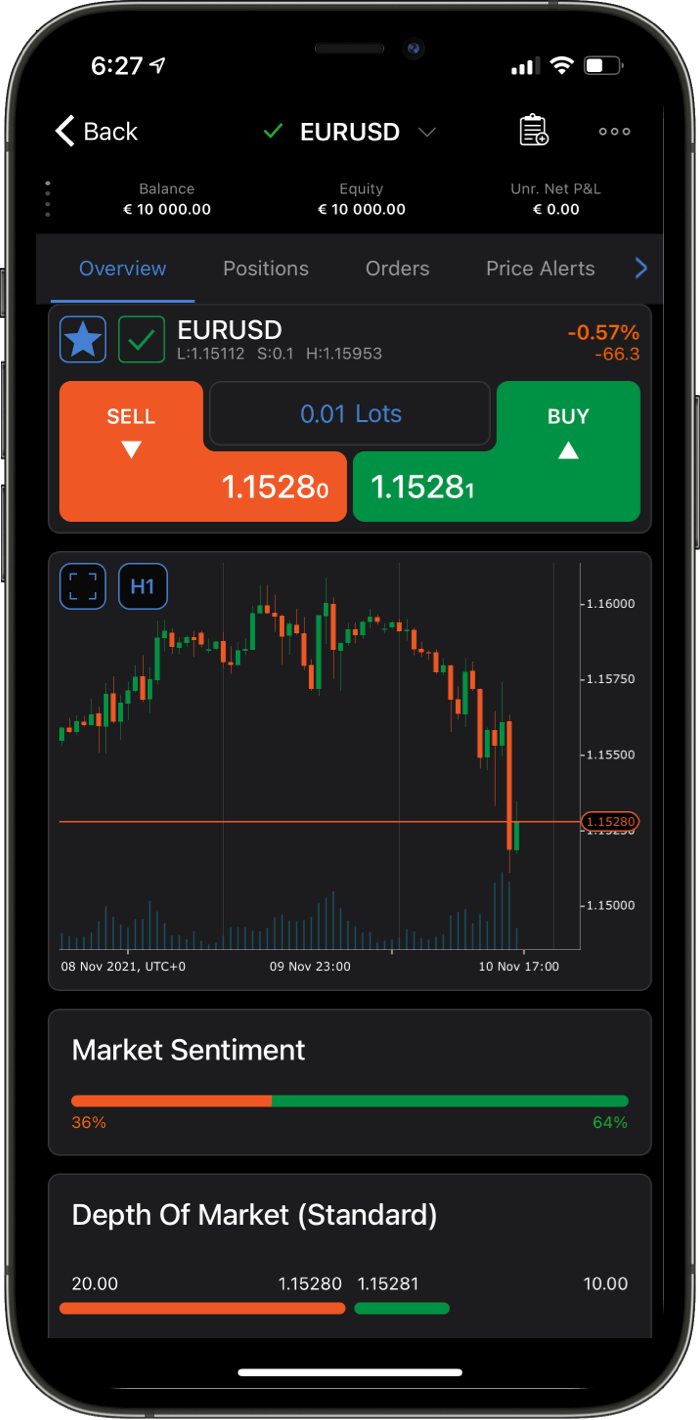
Choose from MT4, MT5, TradingView, or cTrader — with guides and help for new users at every step.
24/5 live chat and phone support with real, Australia-based agents — highly rated by beginner users.
Access trading courses, platform walkthroughs, and regular webinars for all skill levels.
Deposit via bank transfer, POLi, or PayID directly in AUD — simple and cost-effective.
While options are great, beginners may feel overwhelmed by having to choose between 3–4 trading platforms.
Pepperstone | Best for new traders who want top-tier platforms & fast local support
FxScouts
YouTube
Select another broker to another broker to compare features, fees, and platforms side by side.

0.9 pips
ISA, FRSA, CBI, FSA-Japan, FSCA, ASIC, CySEC
AUD 100
MT4, MT5, AvaOptions, Avatrade Social
30:1
Fully licensed in Australia with local bank transfer options and AUD-based trading accounts.
Perfect for beginners — no surprises, no spread widening during news events.
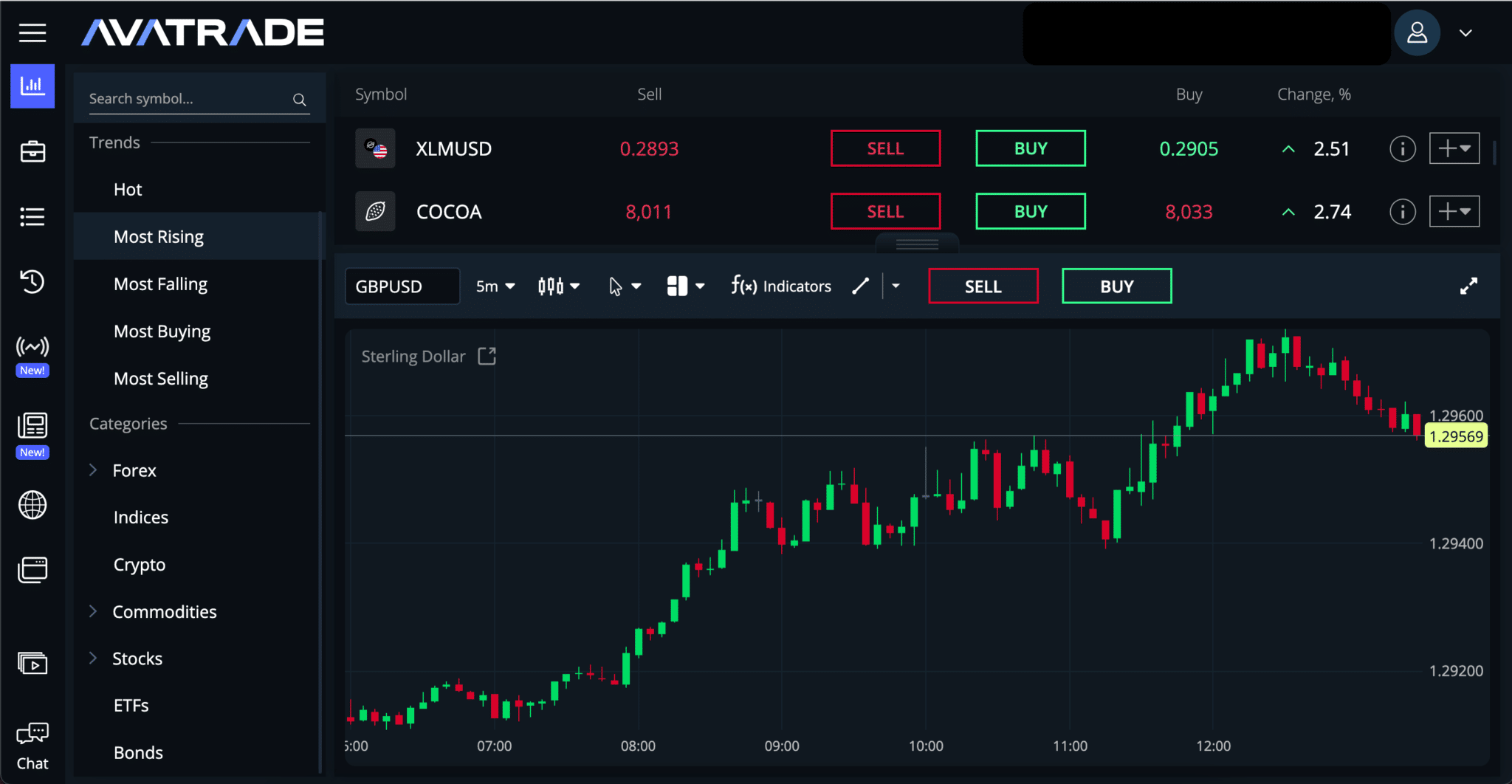
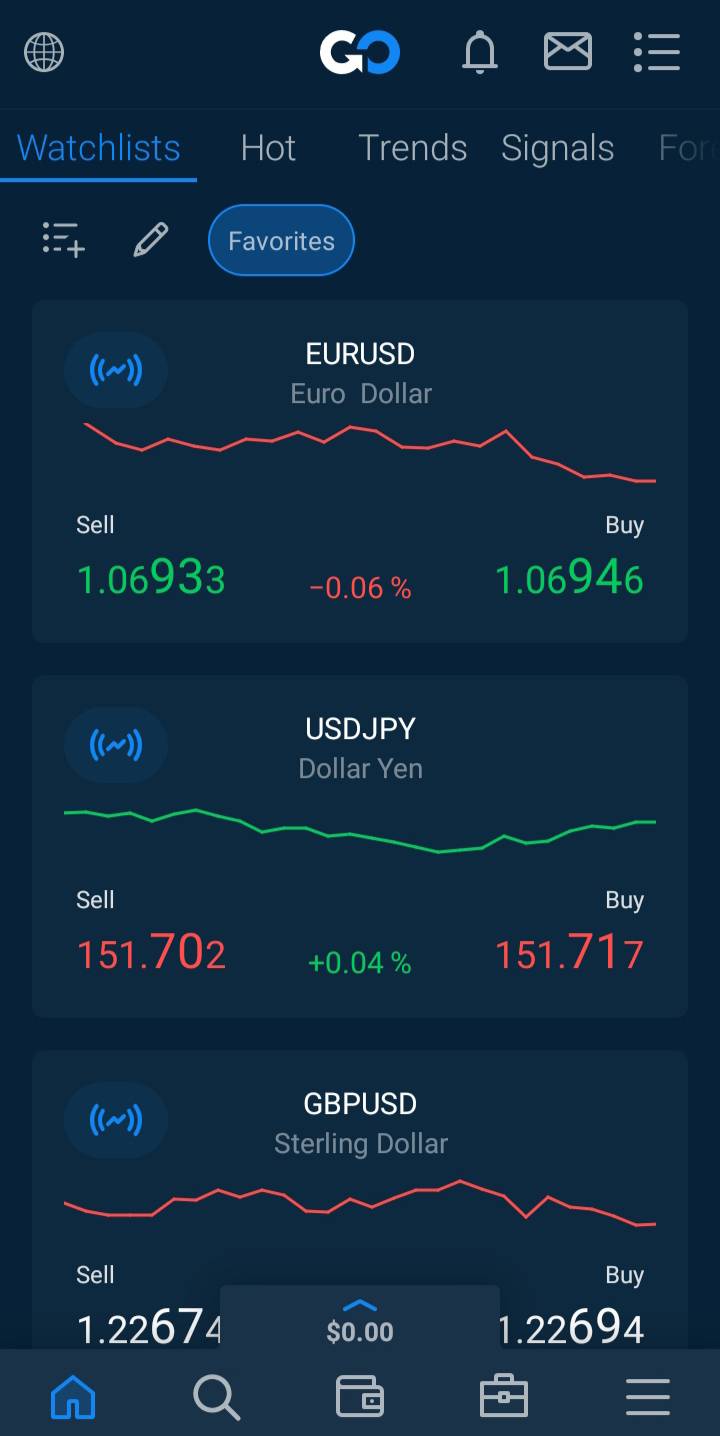
Simplified mobile trading with easy navigation, price alerts, and guided onboarding.
Insure individual trades for a fixed cost — unique risk control for new Aussie traders.
Practice in a safe environment with a 30-day free demo account.
Offers beginner courses, trading terms glossary, videos, and mobile app tips.
All accounts use fixed spreads — not ideal for those looking to grow into ECN-style pricing later on.
If you don’t trade for 3 months, you’ll be charged a monthly maintenance fee.
AvaTrade | Best for beginners who want a simple, fixed-cost trading experience
FxScouts
YouTube
Select another broker to another broker to compare features, fees, and platforms side by side.

0.1 pips
FMA, FSA-Seychelles
USD 0
cTrader, MT4, TradingView, MT5
500:1
Get started with any amount — a big plus for beginners who want to test the waters without committing upfront capital.
No commissions and decent spreads — simple pricing, low risk, and easy for new traders to understand.
Trade on MT4, MT5, cTrader or directly through TradingView — highly rated by Australian beginners for its charting tools and user experience.
Practice on real-market conditions before funding — includes full platform access and support.
BlackBull offers helpful platform walkthroughs and an educational video library suited for beginners.
Beginners can reach out to a responsive support team for help with setup, funding, and platform navigation.
While based in New Zealand and applying for ASIC registration, Aussie clients currently fall under offshore regulation.
You can deposit in AUD, but it gets converted — no native AUD base currency accounts yet.
Select another broker to another broker to compare features, fees, and platforms side by side.

0.6 pips
BMA, CFTC, FINMA, FMA, BaFin, MAS, DFSA, FSA-Japan, FSCA, ASIC, FCA
AUD 0
MT4, TradingView, L2 Dealer
30:1
One of the most established brokers in Australia — fully regulated by ASIC with a strong local presence.
Start trading without funding pressure — perfect for beginners testing the platform before committing capital.
Custom-built platforms designed for simplicity — great UX, fast execution, and built-in learning prompts.
IG Academy offers interactive courses, quizzes, and live webinars — one of the best beginner learning hubs around.
IG’s free demo includes real-time prices, charting tools, and full access to its proprietary platform.
Australia-based phone and live chat support during AEST hours, plus forums and local event access.
No raw spread or Razor-style accounts — IG uses a standard spread-based model with no commissions.
Only MT4 is available — traders hoping to grow into MT5 or cTrader will need to switch brokers later.

IG | Best for total beginners who want an ASIC-regulated, all-in-one experience
FxScouts
YouTube
Select another broker to another broker to compare features, fees, and platforms side by side.


Getting started in Forex trading can be challenging, but with the right approach, you can navigate the market effectively. This section will outline the basic steps to help you begin, from finding a Forex broker to demo trading and risk management.
Online Forex trading can only be done via a Forex broker. Because most of the currency traded globally comes from large institutions like banks that don’t deal with retail clients, Forex brokers facilitate the trades between these institutions and retail traders. Forex brokers provide retail traders with access to the foreign exchange market, often using leverage, allowing them to control large positions with small deposits. Brokers may either take the opposite side of the trade (market maker) or route trades to liquidity providers (ECN/STP), rather than buying and holding large currency positions themselves. Brokers also provide the software, called a trading platform, which connects the trader to the virtual network of computers that forms the Forex market. Read on below this section to learn more about choosing a Forex broker.
Demo accounts are a crucial tool for any Aussie beginner in the Forex market. These accounts allow new traders to practice trading with virtual money, providing a risk-free environment to understand how trading works. They offer real-time market data, enabling traders to familiarise themselves with different trading platforms, implement various strategies, and understand trading operations like placing orders and setting stop losses. Beginner traders should always start with a demo account before transitioning to a live trading account.
Risk management is a key component of successful Forex trading. It involves recognising potential risks and taking steps to mitigate them. This includes setting stop-loss orders to limit potential losses, using leverage wisely to avoid significant losses, and never investing more money than you can afford to lose. Diversification, trading only a small portion of your capital, and not getting emotionally attached to trades are vital risk management strategies. Remember, the goal is not to win every trade but to manage your risk so you can stay in the game for the long term.
Understanding and following market trends is essential in Forex trading. Trends give traders an idea of the direction in which the market is moving. Traders can use various technical analysis tools to identify trends, such as moving averages and trend lines. Following market trends and combining this strategy with other trading techniques can increase the likelihood of making successful trades. Additionally, staying updated with global news and economic indicators can provide insights into potential market trends. It’s important to note that trends can change quickly, so traders should be adaptable and ready to respond accordingly.
Forex trading requires constant learning to stay abreast of changing market conditions. This can be achieved by attending webinars and seminars, enrolling in online courses, listening to podcasts, and staying updated with financial news. Traders should also learn technical analysis, charting, and the use of trading indicators. Practising different strategies and learning from their success or failure is also essential.
At FxScouts, we’ve spent over a decade independently reviewing Forex brokers across the globe, including those regulated in Australia by ASIC (Australian Securities and Investments Commission). For beginners in Australia, the right broker offers more than just access to the market—it provides security, low costs, educational support, and a smooth user experience.
Here’s what you should consider when choosing the best Forex broker for beginners in Australia:
Your number one priority as a new trader should be regulation. In Australia, this means choosing a broker licensed by ASIC, a globally respected financial regulator that enforces strict standards of operation, client fund segregation, and corporate governance.
Trading with an ASIC-regulated broker gives you:
Local legal protection under Australian financial law
Access to complaints and dispute resolution services (e.g., AFCA)
Confidence that your funds are held in segregated accounts and protected from broker insolvency
You can verify a broker’s licence directly through the ASIC register at: asic.gov.au
Some brokers may also hold licences from other Tier-1 regulators, such as:
FCA (UK) – Financial Conduct Authority
CySEC (Cyprus) – Cyprus Securities and Exchange Commission
As a beginner, it’s important to understand how your broker earns money and how that affects your returns. Forex brokers in Australia typically charge:
Spreads – The difference between the buy and sell price
Commissions – Often charged per traded lot on RAW or ECN accounts
Overnight swap fees – Charged if you hold trades overnight
For more information on trading costs, check out these resources:
Top beginner-friendly brokers in Australia offer:
Transparent pricing structures
Low or zero-commission trading accounts
AUD-denominated accounts, helping you avoid unnecessary currency conversion costs
Free and fast local payment methods, such as bank transfer, POLi, or PayID
Be cautious of brokers that charge hidden withdrawal fees or currency conversion charges or only offer USD—or EUR-based accounts.
Your trading platform is your main interface with the market. As a beginner in Australia, you want a platform that’s intuitive, stable, and mobile-friendly.
The best Forex brokers for beginners offer:
MetaTrader 4 (MT4) or MetaTrader 5 (MT5) – Easy to learn, widely supported, with plenty of online tutorials
TradingView – Modern and powerful charting with social trading tools
Proprietary platforms – Clean mobile-first interfaces designed for ease of use (e.g., AvaTrade, FP Markets)
Also check for localised features such as market analysis during AEST trading hours, built-in economic calendars, and mobile apps that work well on Australian internet connections.
Learning to trade successfully requires a solid understanding of markets, risk, and platform tools. Quality education is important, especially for beginners.
Look out for brokers that provide:
Demo accounts with virtual funds and no time limitations
Beginner tutorials on executing trades, analysing charts, and using trading indicators
Articles and videos about how to trade, manage your risk, and implement a trading strategy.
Live webinars hosted during Australian time zones
Educational apps or in-platform guides for mobile learning
As a beginner, you’ll likely need help—from verifying your account to placing your first trade. Having reliable support is a sign of a trustworthy broker.
The best brokers in Australia offer:
24/7 Availability: Customer support to match Forex market hours.
Local Support: Support teams familiar with ASIC requirements and common beginner issues.
Multiple Contact Options: The best brokers offer many support channels, including live chat, phone, email, or WhatsApp.
Knowledgeable and skilled agents: Fast responses matter, but so does quality. Look for brokers with knowledgeable staff who can solve real trading problems, not just read from a script.


The FAQ section offers tips for choosing the best Forex brokers for beginners, including advice on selecting a broker and the costs involved in trading.
Forex trading involves buying and selling currencies on the foreign exchange market to profit from fluctuations in exchange rates. The Forex market is the biggest financial market in the world, with over 6.6 trillion USD traded daily. It operates 24 hours a day, 5 days a week—from Sunday night, when the Australian market opens, until Friday evening, when the US market closes.
Generally, there are no legal minimum deposit requirements to start Forex trading, but we do recommend starting with at least 200 AUD so that you have enough margin to manage trades responsibly, absorb market fluctuations, and reduce the risk of a margin call on small positions.
Here’s a quick comparison of minimum deposits for beginners:
The amount needed depends on several factors: the size of your trades, how much you’re willing to risk per trade, the leverage your broker offers, and the broker’s minimum deposit requirement.
Under ASIC regulations, leverage is capped at 30:1 for major currency pairs, helping protect beginner traders. For example, to trade a mini lot (10,000 units) of EUR/USD with 30:1 leverage, you’d need roughly AUD 330–350 as margin. If you’re risking 150 pips (about AUD 150), your total capital should be around AUD 480–500. For micro lots (1,000 units), the margin might be around AUD 35–40, and AUD 15 to cover risk—meaning you could start with AUD 50–60.
Ultimately, your starting capital depends on how conservatively you want to trade. While many brokers accept deposits as low as AUD 100, beginners should focus on risk management and consider starting with enough capital to allow for losses without jeopardising their entire account. A good rule of thumb: only trade with money you can afford to lose.
Common risks include:
We strongly recommend that beginners start trading with a demo account, avoid high leverage early on, avoid unregulated offshore brokers, never stop learning, and never trade money you can’t afford to lose.
Copy trading lets you automatically replicate trades from professionals. Great for beginners who want to learn by doing.
Reminder: Copy trading is not risk-free. Past performance doesn’t guarantee results. Start small and diversify.
Yes. In Australia, Forex trading profits are generally taxable. The Australian Taxation Office (ATO) treats profits from Forex trading as either income or capital gains, depending on your circumstances. If you trade frequently or as part of a business, profits are usually taxed as personal income. If you hold positions long-term, capital gains tax (CGT) may apply. Always consult a tax professional or visit ato.gov.au to ensure you meet your tax obligations.
It’s possible, but extremely rare. Consistent profitability requires years of experience, emotional discipline, and a deep market understanding. New traders should focus on learning and managing risk rather than quitting their job.
Curious about the latest in forex? You’re not alone. Many traders and investors are digging deeper into these topics to refine their strategies and understanding. Here’s a curated selection of “others also viewed” articles, offering a range of perspectives and insights that could prove valuable for your own forex journey.

Which broker offers the lowest spreads? We compare Forex spreads across 160+ regulated Forex brokers accepting Australian clients using the latest data.

Find the best brokers for trading the VIX, offering precise execution, low fees, and advanced tools to capitalise on market volatility.

Discover the top ASIC-regulated Forex brokers in Australia. Compare top platforms, fees and features to make an informed trading choice.
60-90% of retail traders lose money trading Forex and CFDs. You should consider whether you understand how CFDs and leveraged trading work and if you can afford the high risk of losing your money. We may receive compensation when you click on links to products we review. Please read our advertising disclosure. By using this website, you agree to our Terms of Service.
Partner Manager and Financial Writer
Head of Content
Financial Writer



Welcome to the FxScouts community! We’re thrilled to have you on board. You’ve successfully signed up for our forex newsletter, where you’ll receive expert insights, market analysis, and the latest news straight to your inbox.
Get ready to stay ahead of the curve with our regular updates designed to help you make informed trading decisions.
Happy trading!
The FxScouts Team