






- Find the best broker for your trading needs
- Compare spreads, fees, and platforms
- Read in-depth reviews and analysis

Page Navigation


Select a different country or region to view content tailored to your location.

FxScouts helps traders across the globe by meticulously testing and reviewing online brokers and providing Forex education and market analysis. Our partners compensate us through paid advertising. While partners may pay to provide offers or be featured, they cannot pay to alter our recommendations, advice, ratings, or any other content. Our content and research teams do not participate in any advertising planning nor are they permitted access to advertising campaign data. For more detailed information click this link.

<p>Alison Heyerdahl is the Head of Content at FxScouts, a Chartered Market Technician (CMT), and an experienced trader, as well as a financial writer with extensive expertise in Forex trading, broker analysis, and market research. She has reviewed 100+ brokers, publishes weekly YouTube trading videos, and co-hosts the “Let’s Talk Forex” podcast.</p>

<p>Alison Heyerdahl is the Head of Content at FxScouts, a Chartered Market Technician (CMT), and an experienced trader, as well as a financial writer with extensive expertise in Forex trading, broker analysis, and market research. She has reviewed 100+ brokers, publishes weekly YouTube trading videos, and co-hosts the “Let’s Talk Forex” podcast.</p>
Chris manages the relationships with our partners to provide the best Forex trading experience possible for our users. Chris has 15+ years of research, and editorial and design experience for political and financial publications. His background has given him a deep understanding of international financial markets and the geopolitics that affect them.
Copy trading lets you automatically duplicate the positions of experienced traders in real time, without needing to analyse the markets yourself. It’s one of the most accessible ways to participate in forex trading if you have no prior experience, but choosing the right platform and the right broker can make all the difference. Every broker on this list has been tested by the FxScouts team and selected specifically for copy traders.
They all share the following:
Trusted. Transparent. Tested.
For over a decade, we’ve set the standard in forex broker reviews—collecting thousands of data points yearly to deliver unbiased, expert-backed insights.
Skip the trial and error! Below, you’ll find the best forex brokers for Australian traders for 2026—thoroughly tested, verified, and ranked, so you can trade with confidence.

Swipe to scroll
Broker | Overall Rating Our overall rating evaluates brokers on platform quality, fees, service, regulation, and instruments. Higher scores reflect better performance and reliability. | Official Site Click to visit the broker’s official website for more information and to open an account. | Copy Trading | Regulators Displays the financial regulators licensing the broker, shown by national flags, ensuring compliance with financial standards for safer trading. | Compare Select two brokers using the checkboxes to compare their features, fees, platforms, and more side by side. | ||||||
|---|---|---|---|---|---|---|---|---|---|---|---|
 | AUD 100 | 30:1 | Yes | 10162 | 10000 | 11 | 70 |      | |||
 | AUD 100 | 30:1 | Yes | 930 | 636 | 25 | 63 |      | |||
 | AUD 100 | 30:1 | Yes | 1597 | 1300 | 40 | 90 |     | |||
 | USD 0 | 500:1 | Yes | 26137 | 0 | 9 | 70 |  | |||
 | AUD 0 | 500:1 | Yes | 247 | 110 | 25 | 81 |  | |||
 | AUD 100 | 200:1 | Yes | 2241 | 2090 | 0 | 70 | | |||
 | AUD 0 | 30:1 | Yes | 273 | 100 | 25 | 70 |  | |||
 | USD 25 | 1000:1 | Yes | 253 | 150 | 5 | 52 |  | |||
 | USD 100 | 500:1 | Yes | 612 | 500 | 0 | 62 | | |||
 | USD 200 | 500:1 | Yes | 2240 | 2100 | 20 | 61 | |

Select another broker to another broker to compare features, fees, and platforms side by side.
Find Your Ideal Forex Broker
Select another broker to another broker to compare features, fees, and platforms side by side.
0.0 pips
CMA, FSA-Seychelles, FSC, FSCA, ASIC
AUD 100
cTrader, MT4, TradingView, MT5, IRESS
30:1
FP Markets is based in Sydney and offers copy trading under full ASIC protection with local AUD deposit options.
Access a huge variety of strategies using Myfxbook AutoTrade, MetaTrader Signals, or TradingView integration — all plug directly into your platform.
Copy pro strategies with raw spreads from 0.0 pips and just $3 commission per side — great for cost-sensitive high-frequency followers.
FP Markets imposes no restrictions on Expert Advisors, scalping, or hedging — allowing you to build, test, and follow strategies freely.
Eligible high-volume traders get access to VPS services, perfect for uninterrupted signal following.
Copy trading is only available through third-party platforms — there’s no native leaderboard or mobile experience.
Minimum deposit is $100 AUD — more than zero-deposit brokers like Fusion or Pepperstone.
FP Markets | Best Copy Trading Broker in Australia

FxScouts
 YouTube
Select another broker to another broker to compare features, fees, and platforms side by side.

0.9 pips
ISA, FRSA, CBI, FSA-Japan, FSCA, ASIC, CySEC
AUD 100
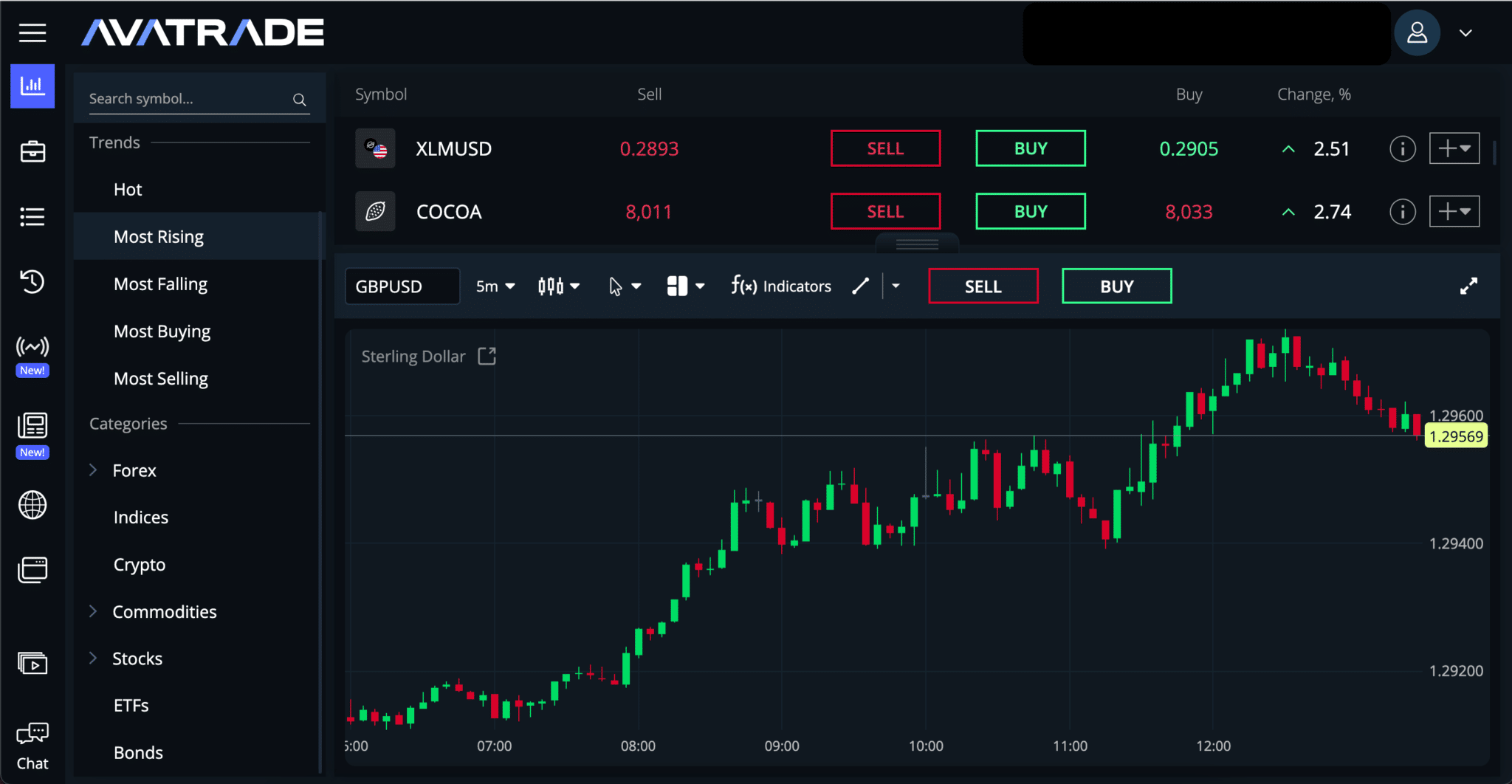
MT4, MT5, AvaOptions, Avatrade Social
30:1
Trade under full Australian regulation with local deposit options — bank transfer, PayID, POLi, card, and more.
Follow top-performing traders across both platforms — with full strategy performance stats, rankings, and one-click copy activation.
Fixed spreads make trading costs simple and transparent, so traders won't be surprised by hidden fees.
Unique to AvaTrade, AvaProtect lets you insure copy trades for a set period and receive a refund if they go against you.
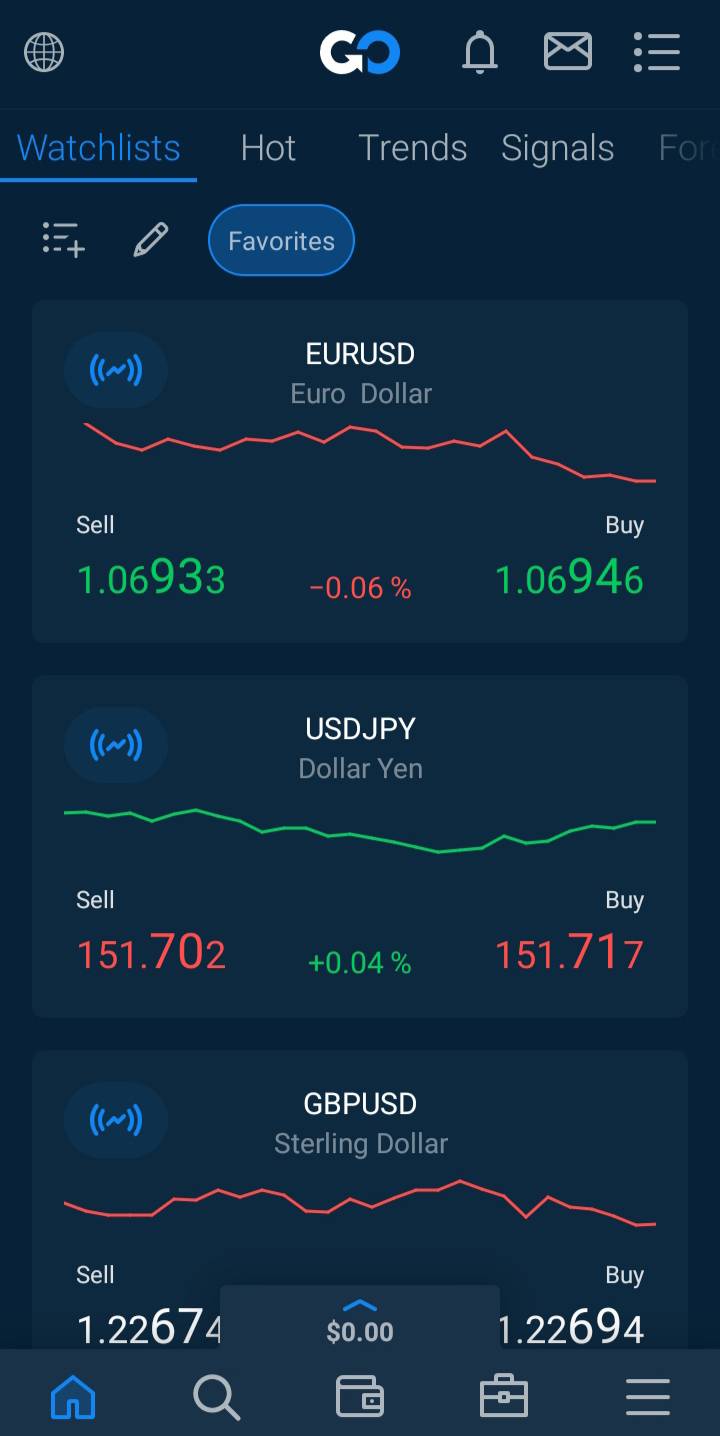
Monitor, copy, and manage strategies on the go with AvaTradeGO — clean UX, built-in tools, and account control from anywhere.
Copy and standard trading are split between AvaSocial and AvaTradeGO, which may be inconvenient for users wanting everything in one app.
There’s no access to raw or ECN pricing — might be limiting for more advanced or cost-sensitive copy traders.
AvaTrade | Best for beginner-friendly copy trading with fixed spreads
FxScouts
YouTube
Select another broker to another broker to compare features, fees, and platforms side by side.
0.0 pips
CMA, BaFin, SCB, DFSA, ASIC, CySEC, FCA
AUD 100
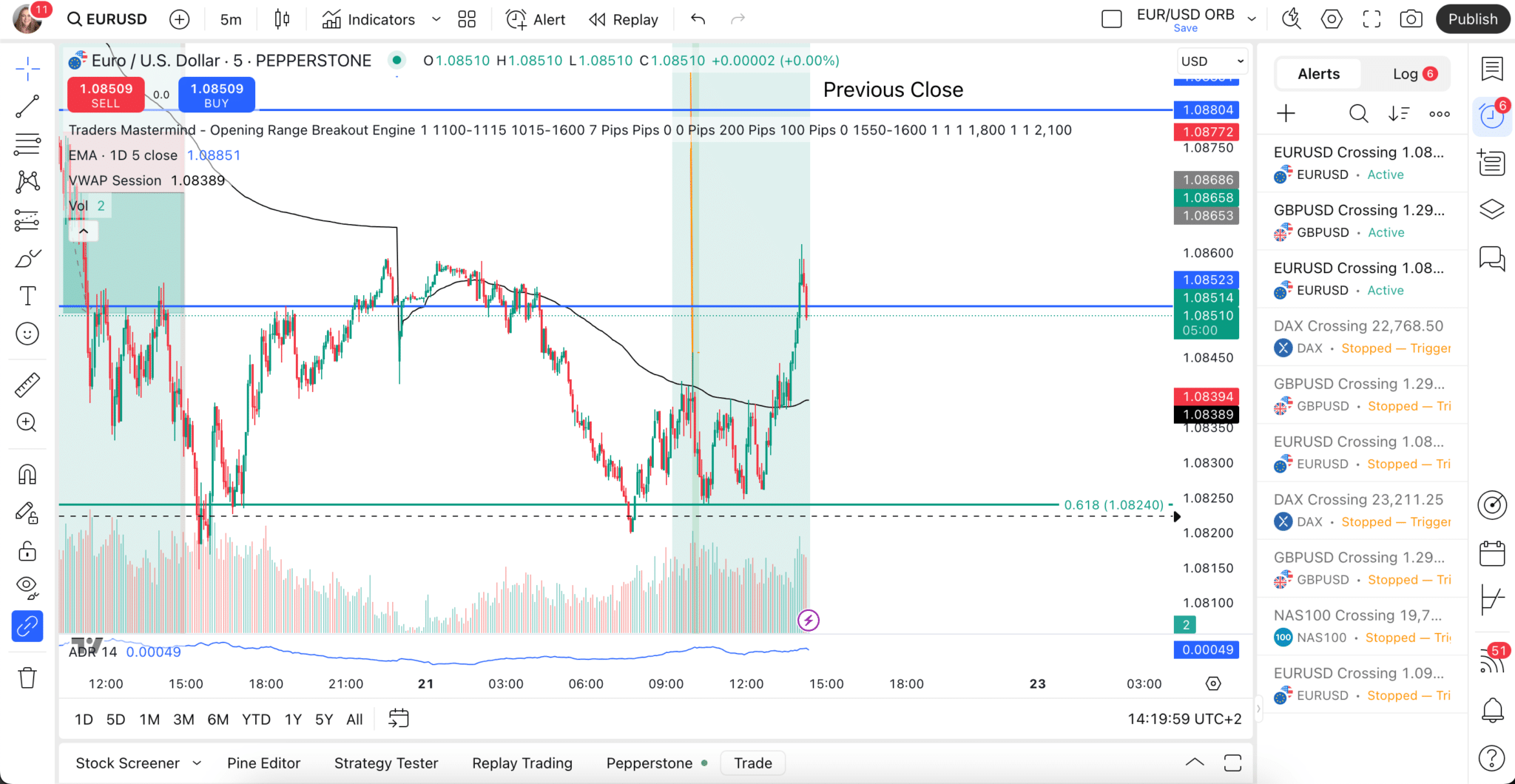
Pepperstone Platform, cTrader, MT4, TradingView, MT5
30:1
Connect to top traders via Myfxbook AutoTrade, DupliTrade, and built-in MetaTrader Signals — follow strategies with one click.
Enjoy full protection under Australian law, plus fund directly in AUD using bank transfer, PayID, or POLi.
Use the Razor account to copy trades with 0.0 pip spreads and just $3.50 per side commission — perfect for copying high-frequency systems.
Start with any amount — ideal for new copy traders looking to test signals with small capital.
Copy across MT4, MT5, and cTrader if you want to chart, analyse, and trade manually.
Pepperstone’s trading app doesn’t include copy trading — you’ll need to use a separate app like CopyTrading by Pepperstone or DupliTrade.
While education is strong overall, there's not much beginner-focused content specific to copy trading mechanics or risk.
Pepperstone | Best for copy trading with raw spreads and top-tier platforms
FxScouts
YouTube
Select another broker to another broker to compare features, fees, and platforms side by side.
0.1 pips
FMA, FSA-Seychelles
USD 0
cTrader, MT4, TradingView, MT5
500:1
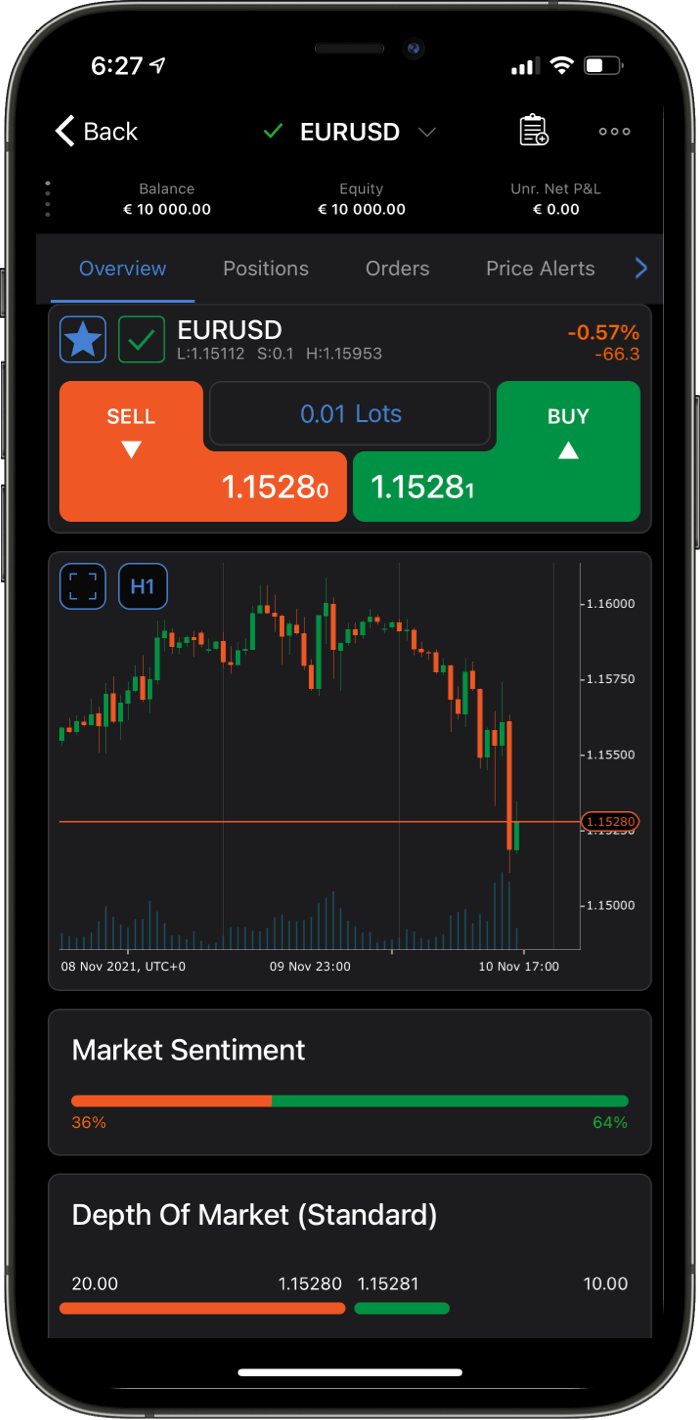
Access a global copy trading community via ZuluTrade — browse strategy providers, review performance metrics, and follow in one click.
MT4 and MT5 users can subscribe directly to signal providers from within the trading platform — thousands of verified strategies available.
Start copying trades without committing a large amount upfront — great for new users testing signal performance.
Copy strategies not only on Forex but thousands of other assets, including indices, metals, and stock CFDs.
Use TradingView to analyse or trade alongside MT5 signal strategies — ideal for hybrid traders who want control and automation.
Australian traders are currently onboarded via the offshore entity while awaiting local ASIC registration.
Although AUD is supported, payment options like BPAY or Osko aren’t available — local funding is limited to common global methods.
Select another broker to another broker to compare features, fees, and platforms side by side.
0 pips
VFSC, ASIC
AUD 0
cTrader, MT4, TradingView, MT5
500:1
Fully licensed in Australia — fund and trade in AUD with local methods like PayID, POLi, and bank transfer.
Fusion Markets supports copy trading through its Fusion+ platform and third-party services like DupliTrade and Myfxbook AutoTrade.
Try copy trading with no financial commitment — perfect for cautious or budget-conscious traders.
Raw spreads from 0.0 pips with just $2.25 per side — ideal for copying high-frequency or scalping strategies.
Supports full automation with Expert Advisors on all platforms, plus VPS options via partner services.
Fusion+ app doesn’t offer social features like trader profiles, chat, or a community feed.
Fusion doesn’t offer much guidance on selecting or managing signals — better suited to users who already know the ropes.
Select another broker to another broker to compare features, fees, and platforms side by side.


Choosing the right broker is the foundation of a good copy trading experience. Here’s what to look for:
Regulation is non-negotiable
Your broker holds your funds, executes every copied trade, and is responsible for your account – so it must be authorised by a recognised top-tier regulator such as ASIC, the FCA, or CySEC. For Australian traders, ASIC oversight should be one of your first checks. An unregulated broker offering copy trading is the highest-risk combination in retail forex.
Some brokers have built proprietary platforms integrated directly into their ecosystem; others connect to established third-party platforms like ZuluTrade, DupliTrade, or Myfxbook AutoTrade. So which should you choose?
In my experience, third-party platforms like these tend to give you a wider pool of strategy providers to browse. This means you get more choice, more variety, and more room to compare. Proprietary platforms, on the other hand, are usually simpler to get started with. Everything lives under one roof, so there’s no separate account setup or integration to deal with. I found this to be especially useful when I first started copy trading. At the end of the day, each type of platform has its tradeoffs, and which one is right for you depends on how hands-on you want to be.
Not all copy trading platforms are the same. The platform your broker uses determines how many strategy providers you can access, how trades are executed, and what level of control you have. Here’s how the main platform options compare:
| Platform | Type | Best For |
|---|---|---|
| Proprietary broker platform (e.g. AvaSocial, Fusion+, BB CopyTrader) | Built-in | Beginners – seamless setup, no third-party account needed, low minimums to start following |
| DupliTrade | Third-party | Vetted professional strategies – providers are screened before listing, detailed audited track records |
| ZuluTrade | Third-party | Large provider pool – thousands of Leaders to choose from, social features, ~0.5 pip markup per trade |
| MT4/MT5 Signals (MQL5) | Built into MetaTrader | Wide choice – access to a global signal marketplace, free and paid signals, available at most MetaTrader brokers |
| cTrader Copy | Built into cTrader | Transparent execution – strategy fee set by provider, no platform markup, commission clearly visible |
Before copying anyone, do your homework; the platform should allow you to see verified trading history (at least six months, ideally 12+), maximum drawdown, risk score, and the instruments they trade. I’ve found that platforms that obscure or limit this information make it almost impossible to make an informed decision. In fact, this is one of the first things we check in our copy trading broker reviews. The truth is that if the platform that the broker offers only shows headline returns without drawdown data or trade history, they’re doing the provider a favour, not you, the follower.
Copy trading has more layers of cost than standard forex trading. Many beginners only notice the spread, but trading costs, performance fees, and platform fees can drive costs up quite a bit. Here are some of these ‘hidden’ costs and what they mean:
Trading costs: Every copied trade incurs the same spread or commission your broker charges on standard trades. If you copy a strategy provider who trades frequently, those spread costs compound quickly across your position size.
Performance fees: Most copy trading platforms allow strategy providers to charge a performance fee on profits generated for followers – typically between 10% and 50%. This is only charged on winning periods, but it can significantly reduce your net return. A 30% performance fee on a 10% return leaves you with 7% net – always calculate this before following anyone.
Platform fees: Some third-party platforms charge a markup on top of the broker’s standard costs. ZuluTrade, for example, adds approximately 0.5 pips per trade on forex pairs. DupliTrade’s fees are absorbed by the broker. Always check the full cost structure of the specific platform you’re using, not just the broker’s headline spread.
It is very important to understand that copy trading is not passive income. It is a way to participate in the market using someone else’s strategy – but you still carry all the risk. Every trade copied into your account is your trade, with your money, subject to the same market conditions as any other position.
Key realities every copy trader should understand:
Remember, the right platform and broker won’t eliminate risk – but the wrong ones will add unnecessary costs and give you less control when you need it most.
Copy trading removes the need to analyse markets yourself, but it doesn’t remove the need for judgement. These are the five mistakes that I’ve seen copy traders make frequently:
A strong month or even a strong quarter tells you very little about a strategy’s durability. Always check at least 12 months of verified history, and focus on the maximum drawdown figure – the largest peak-to-trough loss the provider has experienced – not just the total return. A provider who made 80% over 12 months but had a 60% drawdown along the way is not a safe choice.
I’ve seen this pattern again-and-again when reviewing copy trading platforms: the providers with the most eye-catching returns often have the shortest track records. The ones still standing after 12–18 months tend to look far less exciting on paper, but their followers are the ones still trading.
Spreading your capital across five or ten providers may feel like diversification but it often creates confusion and makes it harder for you to monitor performance properly. Start with one or two providers whose strategies you understand, and expand only once you’ve seen how they behave across different market conditions.
Fees trip traders up because they don’t do the math. A 30% performance fee on a 10% return leaves you with 7% net, but a 50% fee on a 15% return leaves you with 7.5%. Always calculate the net return after fees before deciding to follow anyone – it’s one of the most commonly overlooked costs in copy trading.
Copy trading is still trading, and best practices still apply. Every good copy trading platform allows you to cap your losses per provider. Setting a maximum loss limit – for example, stopping copy trading if your allocation falls 20% – prevents one bad strategy from wiping your entire copy balance. Always activate this before you start copying.
Market conditions change. A strategy that worked for 12 months may stop working as volatility shifts, the provider’s style drifts, or they start taking on more risk. Review your providers at least once a month and be prepared to stop following anyone who no longer meets the criteria you set when you chose them.
This is the one that catches people out most often. Trader forums are full of stories of people not keeping an eye on their trades. It usually goes like this – someone finds a provider with a good track record, copies them, and then doesn’t check in for months. By the time they look, the strategy has drifted or the market has shifted, and the drawdown is already deep. Don’t let this happen to you.
Once you’ve chosen a broker, here’s what to do next.
Step 1: Open a demo account and try copy trading first. Most brokers on this list offer demo copy trading with virtual funds. Use this to understand how the platform works, how trades are replicated, and how to navigate the strategy provider listings – before risking any real money. I often open demo accounts to do exactly this. A demo account reveals things the marketing page won’t – how quickly trades are replicated, how intuitive the provider search is, and whether the risk controls actually work as described.
Step 2: Research strategy providers carefully. Check at least 12 months of verified history, the maximum drawdown figure, risk score, and the performance fee before following anyone. Don’t rush this step – who you copy matters far more than which broker you use. (This doesn’t mean the broker you use is not important)
Step 3: Start with one provider and a small allocation. Copy trading with a small amount first lets you observe how the strategy behaves in real market conditions before committing more capital. It’s easy to scale up once you have confidence; it’s not easy to recover from a large early loss.
Step 4: Set a maximum loss limit on your copy allocation. Every good copy trading platform allows you to cap your losses per provider. Always activate this before you start copying – it’s your most important risk management tool.
Step 5: Review performance at least monthly. Market conditions change, and so do strategy providers. A strategy that worked well for 12 months may stop working as volatility shifts or the provider’s behaviour changes. Stay engaged, check the data, and be prepared to stop following anyone who no longer meets your criteria.
Use this table to compare brokers on the dimensions that matter most to copy traders. Best value in each row is marked with ✓.
| Criteria | FP Markets | AvaTrade | Pepperstone | BlackBull | Fusion Markets |
|---|---|---|---|---|---|
| Copy platform(s) | Myfxbook AutoTrade, cTrader Copy, MT Signals ✓ | AvaSocial, DupliTrade, ZuluTrade ✓ | DupliTrade†, cTrader Copy, MT Signals | ZuluTrade, MT Signals, BB CopyTrader ✓ | DupliTrade, Myfxbook AutoTrade ✓ |
| Min. to start copying | $100 | $100 | $0 ✓ | $0 ✓ | $0 ✓ |
| EUR/USD spread | 0.00 pips + $6 commission ✓ | 0.9 pips | 1.0 pips (Std.) | 0.8 pips | 0.00 pips + $4.50 commission ✓ |
| Regulation tier | Tier 1 (ASIC, CySEC) ✓ | Tier 1 ✓ | Tier 1 ✓ | Tier 2 (FMA NZ) | Tier 1 (ASIC) ✓ |
| Demo copy trading | Yes ✓ | Yes ✓ | No | No | Yes ✓ |
Not sure which to choose? Here’s our recommendation based on your situation.
| My Situation | Best Pick | Why |
|---|---|---|
| I want the lowest-cost copy trading with multiple platforms | FP Markets | Myfxbook AutoTrade and cTrader Copy with 0.00 pip spreads and low commission – excellent value for active copy traders |
| I want the most copy trading platform options | AvaTrade | Three platforms in one: AvaSocial, DupliTrade, and ZuluTrade – more copy trading choice than any other broker on this list |
| I want vetted professional strategies and fast execution | Pepperstone via DupliTrade | DupliTrade strategies are curated and verified – quality over quantity (min. deposit $5,000 for DupliTrade) |
| I want social trading with a proprietary community platform | BlackBull | BB CopyTrader, ZuluTrade, and MT Signals – built-in social copy trading features across multiple platforms |
| I want zero minimum deposit and ultra-low costs | Fusion Markets | No minimum deposit, 0.00 pip spreads with low commission – DupliTrade and Myfxbook AutoTrade both available |


Find answers to common questions about copy trading, including legality and the minimum investment required.
Copy trading automatically replicates the trades of an experienced trader directly into your account, in real time and in proportion to your allocated balance. When they open or close a trade, the same happens in yours. You retain full control and can stop copying at any time.
It can be, but profitability depends entirely on the providers you follow and is never guaranteed. Past performance is not a reliable indicator of future results. Traders who treat copy trading like an investment – diversifying across providers, reviewing performance regularly, and setting loss limits – tend to fare better than those who treat it as passive income.
Yes, but with some caveats. Copy trading removes the need to analyse markets yourself, but the risk remains. The most common beginner mistakes are choosing providers with unverified track records, copying too many at once, and underestimating performance fees. Always start on a demo account and never allocate more than you can afford to lose.
Minimum requirements vary by broker and platform, but a practical starting amount is AUD 200–500. Very small allocations produce very small absolute returns, and performance fees have a disproportionate impact on tiny accounts. Always check the specific minimum for copy trading on your chosen platform – it may differ from the broker’s general account minimum.
A performance fee is a percentage of profits charged by the strategy provider you’re copying – typically 10–50%. It’s only charged on winning periods, but it significantly affects your net return. A 20% fee on a 10% return leaves you with 8% net. Always calculate the net return after fees before following anyone.
Where negative balance protection is available, you cannot lose more than your deposited funds. However, you can still lose your entire allocated copy trading balance if the provider you’re copying suffers severe losses. Always set a maximum loss limit per provider before you start copying.
Focus on: at least 12 months of verified history, maximum drawdown, consistency of monthly returns rather than one-off spikes, and the performance fee. Avoid providers with short track records, high returns paired with high drawdown, or suspiciously few followers. The platform’s risk score is a useful filter, but always review the actual trade history before committing capital.
Yes. You can stop following a provider, pause copying, or close copied trades manually at any time. You are not locked-in to any strategy. This flexibility is one of the most important features to confirm before choosing a platform.
In Australia, copy trading profits will generally be subject to the same tax treatment principles as other trading income or capital gains, depending on how your activity is classified and your personal circumstances. Always consult a qualified tax professional for advice specific to your situation.
Curious about the latest in forex? You’re not alone. Many traders and investors are digging deeper into these topics to refine their strategies and understanding. Here’s a curated selection of “others also viewed” articles, offering a range of perspectives and insights that could prove valuable for your own forex journey.

Good Forex brokers for beginners will help their clients get started. These are the best Forex brokers for beginners in Australia for 2026.

Which broker offers the lowest spreads? We compare Forex spreads across 160+ regulated Forex brokers accepting Australian clients using the latest data.

Find the best brokers for trading the VIX, offering precise execution, low fees, and advanced tools to capitalise on market volatility.
60-90% of retail traders lose money trading Forex and CFDs. You should consider whether you understand how CFDs and leveraged trading work and if you can afford the high risk of losing your money. We may receive compensation when you click on links to products we review. Please read our advertising disclosure. By using this website, you agree to our Terms of Service.
Partner Manager and Financial Writer
Head of Content
Financial Writer



Welcome to the FxScouts community! We’re thrilled to have you on board. You’ve successfully signed up for our forex newsletter, where you’ll receive expert insights, market analysis, and the latest news straight to your inbox.
Get ready to stay ahead of the curve with our regular updates designed to help you make informed trading decisions.
Happy trading!
The FxScouts Team