





- Find the best broker for your trading needs
- Compare spreads, fees, and platforms
- Read in-depth reviews and analysis

Page Navigation


Select a different country or region to view content tailored to your location.

FxScouts helps traders across the globe by meticulously testing and reviewing online brokers and providing Forex education and market analysis. Our partners compensate us through paid advertising. While partners may pay to provide offers or be featured, they cannot pay to alter our recommendations, advice, ratings, or any other content. Our content and research teams do not participate in any advertising planning nor are they permitted access to advertising campaign data. For more detailed information click this link.

Ida is a financial writer with a passion for cryptocurrencies, blockchain networks, and Forex trading. A dedicated crypto trader, she developed a deep interest in Forex technical analysis and price action, continually expanding her expertise in market trends and trading strategies.

Ida is a financial writer with a passion for cryptocurrencies, blockchain networks, and Forex trading. A dedicated crypto trader, she developed a deep interest in Forex technical analysis and price action, continually expanding her expertise in market trends and trading strategies.
Chris manages the relationships with our partners to provide the best Forex trading experience possible for our users. Chris has 15+ years of research, and editorial and design experience for political and financial publications. His background has given him a deep understanding of international financial markets and the geopolitics that affect them.
CFD trading gives retail traders flexible access to global markets, with the ability to trade long or short and use leverage to control larger positions with a relatively small deposit. This flexibility also introduces higher risk, making it essential to work with a well-regulated broker that offers transparent pricing, strong risk controls, and a reliable trading platform.
Our team has evaluated over 180 CFD brokers to identify the safest and most cost-effective options for 2025. The brokers featured here stand out for their regulation, trading conditions, platform quality, research tools, and overall value for traders of all experience levels.
Trusted. Transparent. Tested.
For over a decade, we’ve set the standard in forex broker reviews—collecting thousands of data points yearly to deliver unbiased, expert-backed insights.
Skip the trial and error! Below, you’ll find the best forex brokers for Australian traders for 2026—thoroughly tested, verified, and ranked, so you can trade with confidence.

Swipe to scroll
Broker | Official Site | Max. Leverage | Cost of Trading Total trading cost at the time of last update, for 1 lot of EUR/USD using the account with the lowest minimum deposit. Includes spread and commission. | ASIC Regulated | Regulators | Trading Desk | Platforms | Support Hours | Compare | |||||||
|---|---|---|---|---|---|---|---|---|---|---|---|---|---|---|---|---|
 | AUD 100 | 30:1 | 10162 | 10000 | 11 | 17 | 70 | USD 6 | Yes |      | STP | MT4, MT5, cTrader, TradingView, IRESS | 24/5 | |||
 | AUD 100 | 30:1 | 1597 | 1300 | 40 | 23 | 90 | USD 10 | Yes |      | NDD | MT4, MT5, cTrader, TradingView, Pepperstone Platform | 24/7 | |||
 | AUD 0 | 30:1 | 19295 | 13000 | 35 | 80 | 80 | USD 6 | Yes |     | Market Maker | MT4, L2 Dealer, TradingView | 24/5 | |||
 | USD 0 | 500:1 | 26137 | 0 | 9 | 13 | 70 | USD 8 | No | | ECN/DMA | MT4, MT5, cTrader, TradingView | 24/5 | |||
 | AUD 100 | 30:1 | 930 | 636 | 25 | 36 | 63 | USD 9 | Yes |     | Market Maker | MT4, MT5, Avatrade Social, AvaOptions | 24/5 | |||
 | AUD 0 | 30:1 | 273 | 100 | 25 | 32 | 70 | USD 10 | Yes |  | ECN/DMA | MT4, MT5, TradingView | 24/7 | |||
 | AUD 0 | 500:1 | 247 | 110 | 25 | 18 | 81 | USD 4.50 | Yes |  | ECN/DMA | MT4, MT5, cTrader, TradingView | 24/7 | |||
 | AUD 100 | 30:1 | 846 | 660 | 14 | 11 | 55 | USD 10 | Yes | | Market Maker NDD | MT4, MT5, TradingView | 24/5 |










Select another broker to another broker to compare features, fees, and platforms side by side.
Find Your Ideal Forex Broker
Select another broker to another broker to compare features, fees, and platforms side by side.
0.0 pips
CMA, FSA-Seychelles, FSC, FSCA, ASIC
AUD 100
cTrader, MT4, TradingView, MT5, IRESS
30:1
FP Markets offers institutional-grade spreads starting from 0.0 pips on Raw accounts with deep liquidity sourced from multiple providers.
Access MT4, MT5, and IRESS for share CFD trading with market depth and customizable order types.
Latency from data centers as low as 30ms—excellent for scalpers and algo traders.
Regulated by ASIC and CySEC, giving traders access to both AU-regulated accounts and higher-leverage offshore entities.
Professional-grade IRESS platform requires monthly fees, best suited for high-volume equity CFD traders.
Advanced tools and multi-platform offerings may overwhelm new traders without prior experience.
FP Markets | Best For: Advanced traders seeking ECN pricing with rich platform flexibility
FxScouts
 YouTube
Select another broker to another broker to compare features, fees, and platforms side by side.
0.0 pips
CMA, BaFin, SCB, DFSA, ASIC, CySEC, FCA
AUD 100
Pepperstone Platform, cTrader, MT4, TradingView, MT5
30:1
Spreads as low as 0.0 pips on Razor accounts with low commissions (AUD $3.50 per lot), ideal for scalpers and day traders.
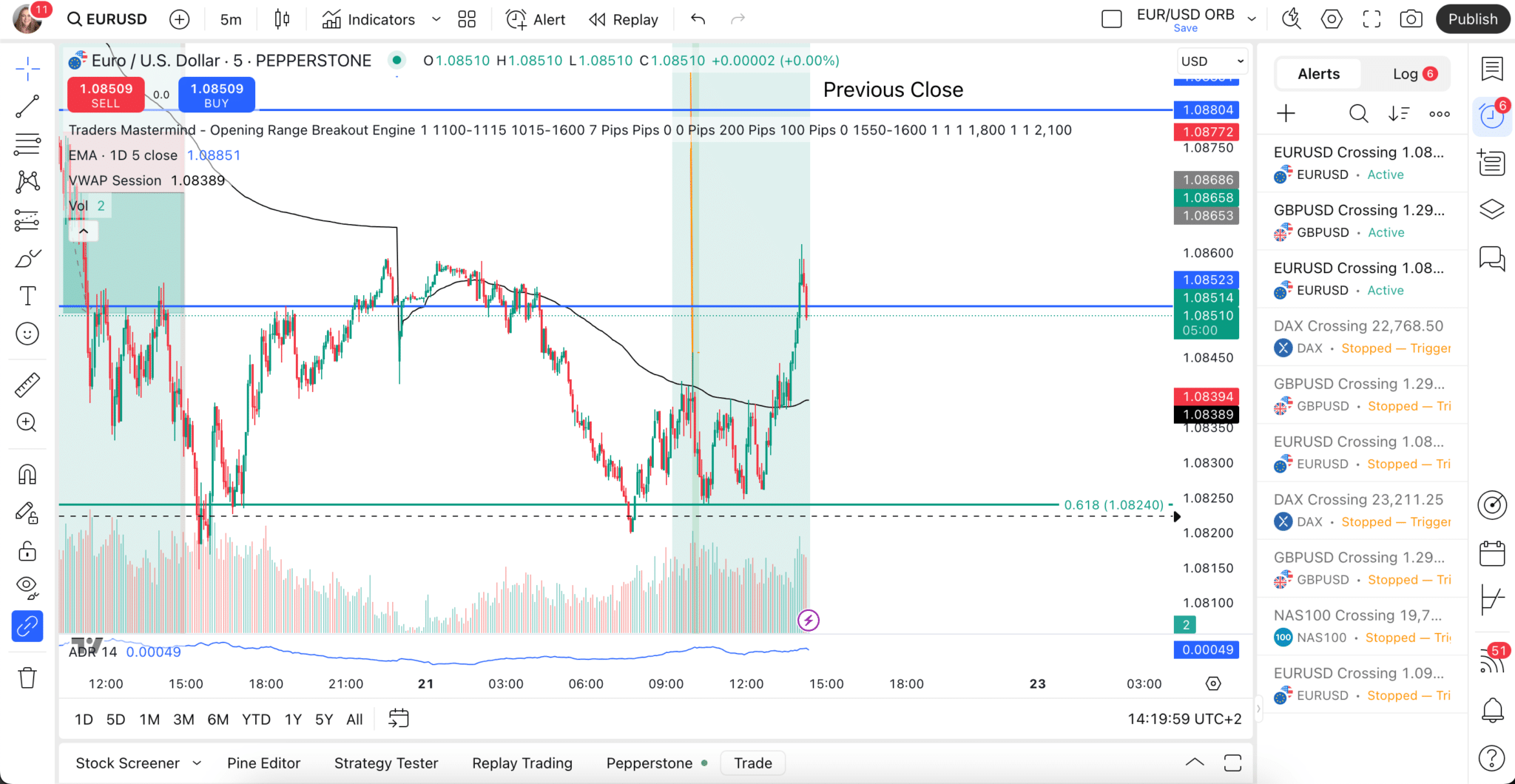
Pepperstone is one of the few ASIC-regulated brokers offering direct TradingView connectivity for CFD trading.
Trade on MT4, MT5, cTrader, and TradingView, catering to both traditional and modern technical traders.
Australian-based customer service team with responsive live chat and extensive educational resources.
Relies on third-party platforms, which may be a drawback for traders looking for a unified ecosystem or native app.
While solid for FX and indices, the equity CFD range is narrower than IG or FP Markets.
Pepperstone | Best For: Cost-conscious CFD traders using MT4/MT5 and TradingView
FxScouts
YouTube
Select another broker to another broker to compare features, fees, and platforms side by side.
0.6 pips
BMA, CFTC, FINMA, FMA, BaFin, MAS, DFSA, FSA-Japan, FSCA, ASIC, FCA
AUD 0
MT4, TradingView, L2 Dealer
30:1
Access over 17,000 global markets, including equities, indices, forex, commodities, and cryptocurrencies—ideal for portfolio diversification.
IG’s custom-built web and mobile platforms offer advanced charting, integrated news feeds, and intuitive order management tools.
Founded in 1974, IG is regulated by ASIC in Australia and globally recognized as a trusted broker with strong capital reserves.
Daily expert analysis, live market coverage, and structured learning modules help traders at all levels stay ahead.
IG often acts as counterparty to trades, which may deter those seeking ECN-style execution or direct market access.
While spreads are competitive, overnight funding and inactivity fees can erode returns if not monitored closely.

IG | Best For: Traders seeking a full-featured platform with broad market access and strong regulatory backing
FxScouts
YouTube
Select another broker to another broker to compare features, fees, and platforms side by side.
0.1 pips
FMA, FSA-Seychelles
USD 0
cTrader, MT4, TradingView, MT5
500:1
Spreads from 0.0 pips with direct market access via Equinix servers—ideal for scalping and high-frequency trading.
One of the few brokers offering full TradingView execution natively—great for technical traders using social charting tools.
Supports all major platforms with free VPS options for eligible traders running automated strategies.
BlackBull’s Prime account offers thousands of share CFDs with direct pricing and Level 2 market depth.
While based in New Zealand and registered with the FMA, BlackBull lacks ASIC oversight, which may concern some AU traders.
The client area and onboarding can feel clunky compared to more polished brokers like IG or Pepperstone.
Select another broker to another broker to compare features, fees, and platforms side by side.
0.9 pips
ISA, FRSA, CBI, FSA-Japan, FSCA, ASIC, CySEC
AUD 100
MT4, MT5, AvaOptions, Avatrade Social
30:1
AvaTrade is licensed by ASIC (Australian Financial Services Licence No. 406684), ensuring it complies with strong Australian rules on fund segregation, risk disclosure, and responsible conduct.
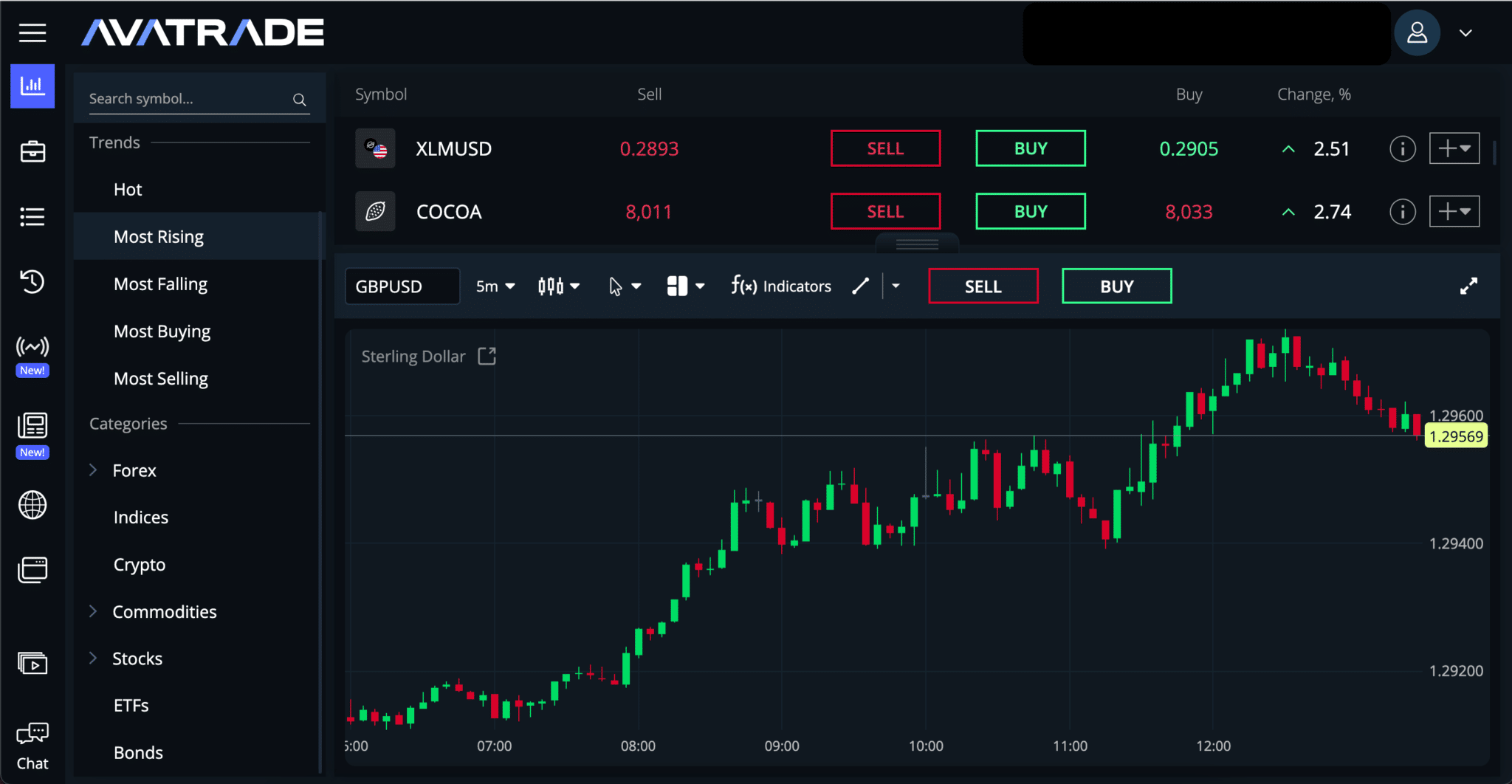
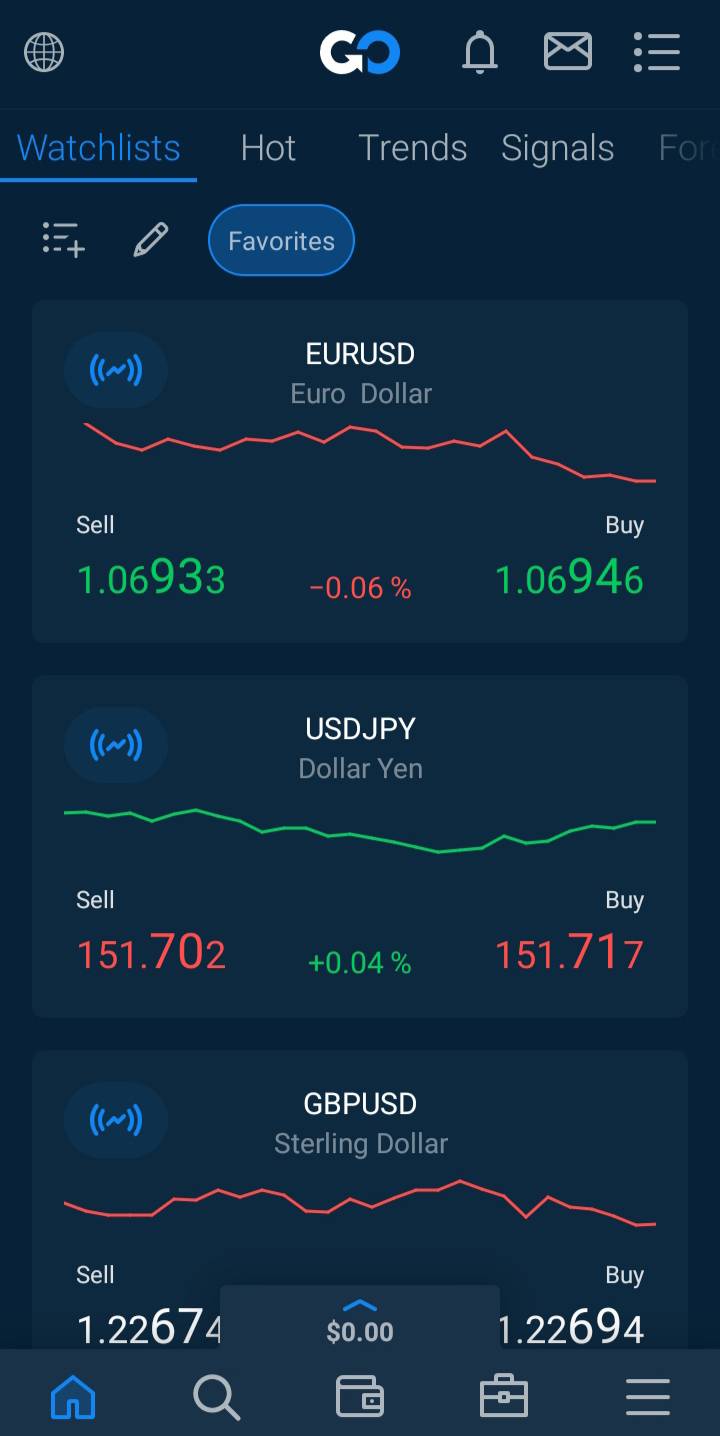
Offers MetaTrader 4, MetaTrader 5, AvaTradeGo, WebTrader, AvaOptions, as well as social and copy‑trading via AvaSocial and DupliTrade—appealing to both novice and advanced traders.
Traders can access over 1,250 instruments across Forex, indices, commodities, stocks, ETFs, cryptocurrencies, bonds, and FX options.
Includes negative balance protection, segregated client funds, and oversight aligning with ASIC’s stringent standards.
Offers a wide range of educational materials through AvaAcademy—including webinars, e-books, trading courses—as well as analytical tools like Trading Central and AvaProtect.
Charges fees for inactive accounts—AUD 50 monthly or AUD 100 annual if account remains unused, which may erode value for inactive participants}.
Deposit and withdrawal delays may occur, especially via bank transfer, which some users report can be slower than ideal.
Support operates Monday to Friday only, which may frustrate traders needing out-of-hours assistance.
AvaTrade | Best for: Australian traders seeking an ASIC‑regulated CFD broker offering varied platforms, wide asset coverage, and robust trader protections
FxScouts
YouTube
Select another broker to another broker to compare features, fees, and platforms side by side.


CFD trading lets you speculate on rising or falling markets without owning the underlying asset. You trade only on the price difference between the opening and closing price, using leverage to control larger positions with a small deposit. It’s flexible, accessible, and available across thousands of instruments — but the use of leverage also makes it high-risk.
CFDs (Contracts for Difference) let you trade price movements without owning the underlying asset. When you open a position, you agree with your broker to exchange the difference between the opening and closing price. If the market moves in your favour, you profit; if it moves against you, the difference becomes your loss.
You can trade long (buy) when expecting prices to rise or short (sell) when expecting them to fall. Because CFDs use leverage, you only deposit a fraction of the trade’s total value as margin while your broker provides the rest. This boosts potential returns but also magnifies losses, making disciplined risk management essential.
CFDs give traders flexible access to global markets, allowing them to react quickly to price movements while trading a wide range of assets through one platform.
Small minimum deposits and low margin requirements make CFD trading accessible even with limited starting capital.
Leverage allows you to control larger positions with a small deposit. For example, 20:1 leverage turns 500 USD into 10,000 USD of market exposure. It increases potential profits but also speeds up losses.
CFDs let you go long or short with a single click, without owning or borrowing the underlying asset.
One account gives access to Forex, indices, commodities, stocks, ETFs, bonds, and—in some regions—cryptocurrencies.
CFDs have no expiry date. You can hold trades for seconds or for months if you meet margin requirements and accept any overnight financing costs.
Many traders hedge existing portfolios using CFDs, such as shorting an index to offset potential equity-market downside.
CFDs are complex and high-risk instruments. Because they use leverage and react quickly to market movements, it’s essential to understand the risks before trading.
CFD prices can move sharply during economic news, geopolitical events, or shifts in sentiment. These rapid swings can cause significant losses — especially on leveraged positions.
Leverage amplifies both gains and losses. Even small adverse price movements can deplete your margin, trigger stop-outs, or wipe out an entire account without proper risk controls.
During fast or thin markets, brokers may widen spreads, increasing your trading costs and affecting execution quality.
CFD markets move around the clock, and unmanaged positions can be hit by overnight volatility or sudden gaps.
Some instruments or time periods offer limited liquidity, which can result in slippage, partial fills, or difficulty closing trades at expected prices.
CFD traders don’t receive dividends, coupons, or voting rights. Returns come solely from price movement.
Because of these risks, traders should use strict risk management and never trade money they cannot afford to lose.
CFD brokers provide access to a wide range of global markets from a single platform. Because CFDs mirror the price of the underlying asset, you can trade thousands of instruments without owning them outright.
Trade major, minor, and exotic pairs such as EUR/USD or GBP/USD. Forex is the world’s most liquid market and operates 24/5, making it ideal for active traders.
Speculate on price movements of global companies without buying the shares themselves. Share CFDs support both long and short positions and require far less capital than direct stock ownership.
Index CFDs track baskets of stocks like the S&P 500, FTSE 100, DAX 40, or NASDAQ 100. They offer broad market exposure, tight spreads, and high liquidity in a single trade.
Trade popular commodities such as gold, silver, oil, natural gas, and agricultural products. Prices are heavily influenced by supply and demand, macroeconomic conditions, and geopolitical events.
Some brokers offer crypto CFDs on assets like Bitcoin or Ethereum. These markets are highly volatile, so leverage is typically lower — and availability depends on your jurisdiction.
CFDs make it possible to trade bond price movements or interest-rate expectations without holding the underlying instruments.
Many brokers also provide CFDs on ETFs, sector baskets, or volatility indices, allowing for wider diversification from a single account.
A CFD broker provides the necessary infrastructure that enables CFD trading. Because CFDs don’t trade on a central exchange, your broker controls pricing, execution quality, leverage, and the overall safety of your trading environment. This makes choosing a reliable, well-regulated broker critical.
A good CFD broker is responsible for:
In short, your broker shapes your trading conditions, your trading costs, and your level of protection — which is why broker choice is one of the most important decisions a CFD trader makes.
Choosing the right CFD broker has a direct impact on your costs, safety, execution quality, and long-term results. The best brokers combine strong regulation, transparent pricing, robust platforms, and tools that help you manage risk effectively.
When comparing CFD brokers, focus on the following key areas:
A trustworthy broker should be licensed by a reputable authority and follow strict rules on client protection. Look for:
Clear risk warnings and transparent operational policies Always verify the broker’s licence on the regulator’s website.
Your costs directly affect your profitability, especially if you trade frequently. Compare:
Your platform is your trading workspace, so it must be fast, stable, and intuitive. Look for:
Choose a platform that matches your experience level and trading style.
A broad product range allows you to diversify and trade opportunities across global markets. The best brokers offer CFDs on:
More instruments mean more choice and flexibility.
Good brokers help you manage risk, not increase it. Check:
These features can significantly reduce risk, especially for new traders.
CFD brokers commonly offer:
Choose an account type that fits your capital, strategy, and level of experience.
Strong educational resources and responsive support are especially valuable if you’re still learning. Look for:
A broker that invests in trader education usually provides a better overall trading environment.
Leverage is a defining feature of CFD trading, but it is also the main source of risk. To protect retail traders, major regulators cap the maximum leverage brokers can offer.
Typical leverage limits:
These caps reduce the chance of large, rapid losses and are usually paired with protections such as negative balance protection and margin close-out rules.
Some jurisdictions restrict or prohibit CFD trading altogether meaning regulated brokers cannot legally offer CFDs to residents in those countries. Where CFDs are permitted, local rules determine the leverage, protections, and products available.
Always verify your broker’s regulatory entity and the rules that apply to your account before trading.
Understanding order types helps you control how trades open, close, and manage risk. These are the core order types used in CFD trading:
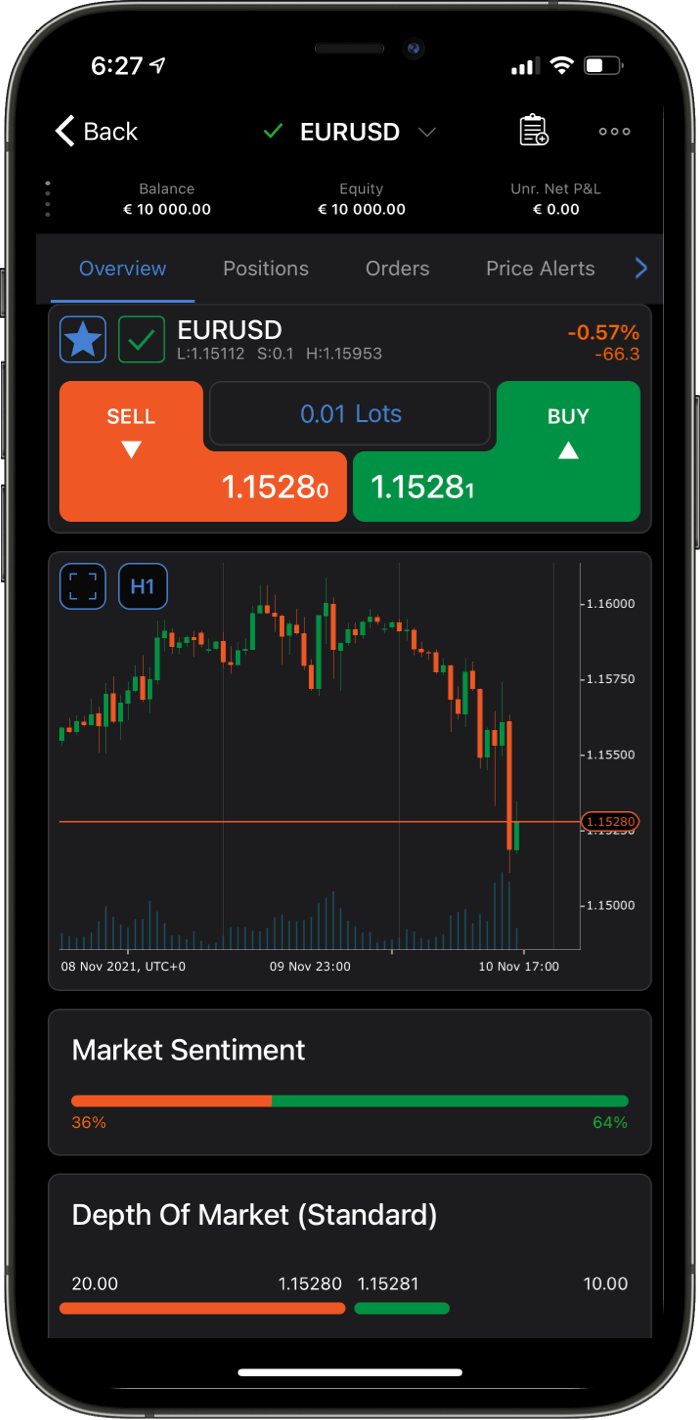
Market Order: Executes immediately at the best available price—useful when speed is more important than exact pricing.
These order types form the foundation of risk management in CFD trading and should be part of every trading plan.
Your choice of trading platform affects execution speed, charting quality, usability, and access to tools. Most top CFD brokers support one or more of the following:
A good platform should be fast, intuitive, and equipped with the tools you need to analyse markets and place trades efficiently.
CFD trading involves several costs that can impact long-term profitability. Understanding each one helps you choose a broker with fair and transparent pricing.
Always review a broker’s full fee schedule and ensure the pricing suits your trading style and frequency.
CFDs offer flexible access to global markets and the ability to trade both rising and falling prices, but their use of leverage makes them inherently high risk. Losses can escalate quickly, so successful CFD trading depends on disciplined risk management and realistic expectations.
Choosing a well-regulated broker is critical. Strong oversight, transparent pricing, reliable platforms, and protections like negative balance protection all help create a safer environment. If you decide to trade CFDs, begin with a demo account, learn how leverage and margin work, and move to live trading gradually and cautiously.


Answers to some common questions about CFD trading.
Yes. CFDs use leverage, which amplifies both profits and losses. Many retail traders lose money, so understanding risk and using strict controls is essential.
Yes, but never guaranteed. Success depends on your strategy, discipline, and risk management — not on the product itself.
Shares give ownership and potential dividends. Share CFDs only let you speculate on price moves and are typically used for short-term, leveraged trading.
Usually not. They’re complex and high risk. Beginners should learn the basics and practise on a demo account before trading live.
Some brokers allow small deposits, but effective risk management requires more than the minimum. You need enough capital to size trades responsibly.
As long as margin requirements are met. CFDs have no fixed expiry, but overnight financing fees accumulate the longer you hold.
Trade with regulated brokers, avoid unrealistic profit claims, and stay away from unverified signal services or “guaranteed returns.”
Strong regulation, transparent fees, reliable platforms, sensible leverage limits, negative balance protection, and good education and support.
Curious about the latest in forex? You’re not alone. Many traders and investors are digging deeper into these topics to refine their strategies and understanding. Here’s a curated selection of “others also viewed” articles, offering a range of perspectives and insights that could prove valuable for your own forex journey.

Good Forex brokers for beginners will help their clients get started. These are the best Forex brokers for beginners in Australia for 2026.

Which broker offers the lowest spreads? We compare Forex spreads across 160+ regulated Forex brokers accepting Australian clients using the latest data.

Find the best brokers for trading the VIX, offering precise execution, low fees, and advanced tools to capitalise on market volatility.
60-90% of retail traders lose money trading Forex and CFDs. You should consider whether you understand how CFDs and leveraged trading work and if you can afford the high risk of losing your money. We may receive compensation when you click on links to products we review. Please read our advertising disclosure. By using this website, you agree to our Terms of Service.
Partner Manager and Financial Writer
Head of Content

Financial Writer



Welcome to the FxScouts community! We’re thrilled to have you on board. You’ve successfully signed up for our forex newsletter, where you’ll receive expert insights, market analysis, and the latest news straight to your inbox.
Get ready to stay ahead of the curve with our regular updates designed to help you make informed trading decisions.
Happy trading!
The FxScouts Team