






- Find the best broker for your trading needs
- Compare spreads, fees, and platforms
- Read in-depth reviews and analysis

Page Navigation


Select a different country or region to view content tailored to your location.

FxScouts helps traders across the globe by meticulously testing and reviewing online brokers and providing Forex education and market analysis. Our partners compensate us through paid advertising. While partners may pay to provide offers or be featured, they cannot pay to alter our recommendations, advice, ratings, or any other content. Our content and research teams do not participate in any advertising planning nor are they permitted access to advertising campaign data. For more detailed information click this link.

Ida is a financial writer with a passion for cryptocurrencies, blockchain networks, and Forex trading. A dedicated crypto trader, she developed a deep interest in Forex technical analysis and price action, continually expanding her expertise in market trends and trading strategies.

Ida is a financial writer with a passion for cryptocurrencies, blockchain networks, and Forex trading. A dedicated crypto trader, she developed a deep interest in Forex technical analysis and price action, continually expanding her expertise in market trends and trading strategies.
Chris manages the relationships with our partners to provide the best Forex trading experience possible for our users. Chris has 15+ years of research, and editorial and design experience for political and financial publications. His background has given him a deep understanding of international financial markets and the geopolitics that affect them.
Crypto CFD trading sounds simple enough: pick a broker, choose Bitcoin or Ethereum, and trade the price movement. Unfortunately, the details matter. With crypto CFDs, you are not buying Bitcoin, storing it in a wallet, or moving it to cold storage like a digital-age pirate burying treasure. You are trading a contract with a broker.
That has advantages. You can go long or short, avoid wallets and private keys, and sometimes use leverage. But it also means your choice of broker matters enormously. Spreads, weekend trading rules, leverage limits, execution quality, and regulation can all change the trading experience.
At FxScouts, we’ve tested many crypto brokers using real AUD accounts, evaluating over 200 data points on regulation, trading costs, platforms, and local accessibility. This guide explores how crypto CFDs work, highlights key benefits and risks, and presents our top-rated brokers for Australian traders.
Trusted. Transparent. Tested.
For over a decade, we’ve set the standard in forex broker reviews—collecting thousands of data points yearly to deliver unbiased, expert-backed insights.
Skip the trial and error! Below, you’ll find the best forex brokers for Australian traders for 2026—thoroughly tested, verified, and ranked, so you can trade with confidence.

In Australia, crypto CFDs are regulated by the Australian Securities and Investments Commission (ASIC) under the same framework that governs other derivative products. This ensures that brokers offering crypto CFDs operate under strict legal standards and provide key trader protections:
Swipe to scroll
Broker | Overall Rating Our overall rating evaluates brokers on platform quality, fees, service, regulation, and instruments. Higher scores reflect better performance and reliability. | Official Site Click to visit the broker’s official website for more information and to open an account. | Min. Deposit The minimum amount of money required to open an account with this broker. | ASIC Regulated | All Regulators Displays the financial regulators licensing the broker, shown by national flags, ensuring compliance with financial standards for safer trading. | Platforms | Compare Select two brokers using the checkboxes to compare their features, fees, platforms, and more side by side. | ||
|---|---|---|---|---|---|---|---|---|---|
 | AUD 100 | 11 | 70 | Yes |      | MT4, MT5, cTrader, TradingView, IRESS | |||
 | AUD 100 | 30 | 90 | Yes |      | MT4, MT5, cTrader, TradingView, Pepperstone Platform | |||
 | AUD 100 | 30 | 63 | Yes |     | MT4, MT5, Avatrade Social, AvaOptions | |||
 | AUD 0 | 13 | 81 | Yes |  | MT4, MT5, cTrader, TradingView | |||
 | AUD 100 | 100 | 55 | Yes | | MT4, MT5, TradingView | |||
 | USD 0 | 40 | 70 | No |  | MT4, MT5, cTrader, TradingView | |||
 | AUD 0 | 10 | 80 | Yes |    | MT4, L2 Dealer, TradingView | |||
 | AUD 100 | 30 | 70 | No | | MT4, MT5, cTrader, FxProEdge | |||
 | USD 200 | 21 | 61 | No | | MT4, MT5, cTrader |











Select another broker to another broker to compare features, fees, and platforms side by side.
Find Your Ideal Forex Broker
Select another broker to another broker to compare features, fees, and platforms side by side.
0.0 pips
CMA, FSA-Seychelles, FSC, FSCA, ASIC
AUD 100
cTrader, MT4, TradingView, MT5, IRESS
30:1
FP Markets offers cryptocurrency CFDs in major assets like Bitcoin, Ethereum, Litecoin, Ripple, and Bitcoin Cash, available for trading against both USD and AUD. This dual-currency offering provides flexibility for Australian traders.
Access to MetaTrader 4, MetaTrader 5, and IRESS platforms allows for sophisticated charting tools, automated trading, and deep market analysis, catering to both novice and experienced traders.
FP Markets provides tight spreads and leverage options up to 1:2 for crypto CFDs, enabling traders to maximize their exposure while managing risk effectively.
Being regulated by the Australian Securities and Investments Commission (ASIC) ensures a high level of trust and security for Australian clients.
While FP Markets covers major cryptocurrencies, it lacks a broader selection of altcoins, which may not satisfy traders looking for a more extensive crypto portfolio.
FP Markets relies on third-party platforms, which might not offer the seamless user experience found in some proprietary trading platforms.
FP Markets | Best For: Traders seeking a broad range of crypto CFDs with advanced trading platforms

FxScouts
 YouTube
Select another broker to another broker to compare features, fees, and platforms side by side.
0.0 pips
CMA, BaFin, SCB, DFSA, ASIC, CySEC, FCA
AUD 100
Pepperstone Platform, cTrader, MT4, TradingView, MT5
30:1
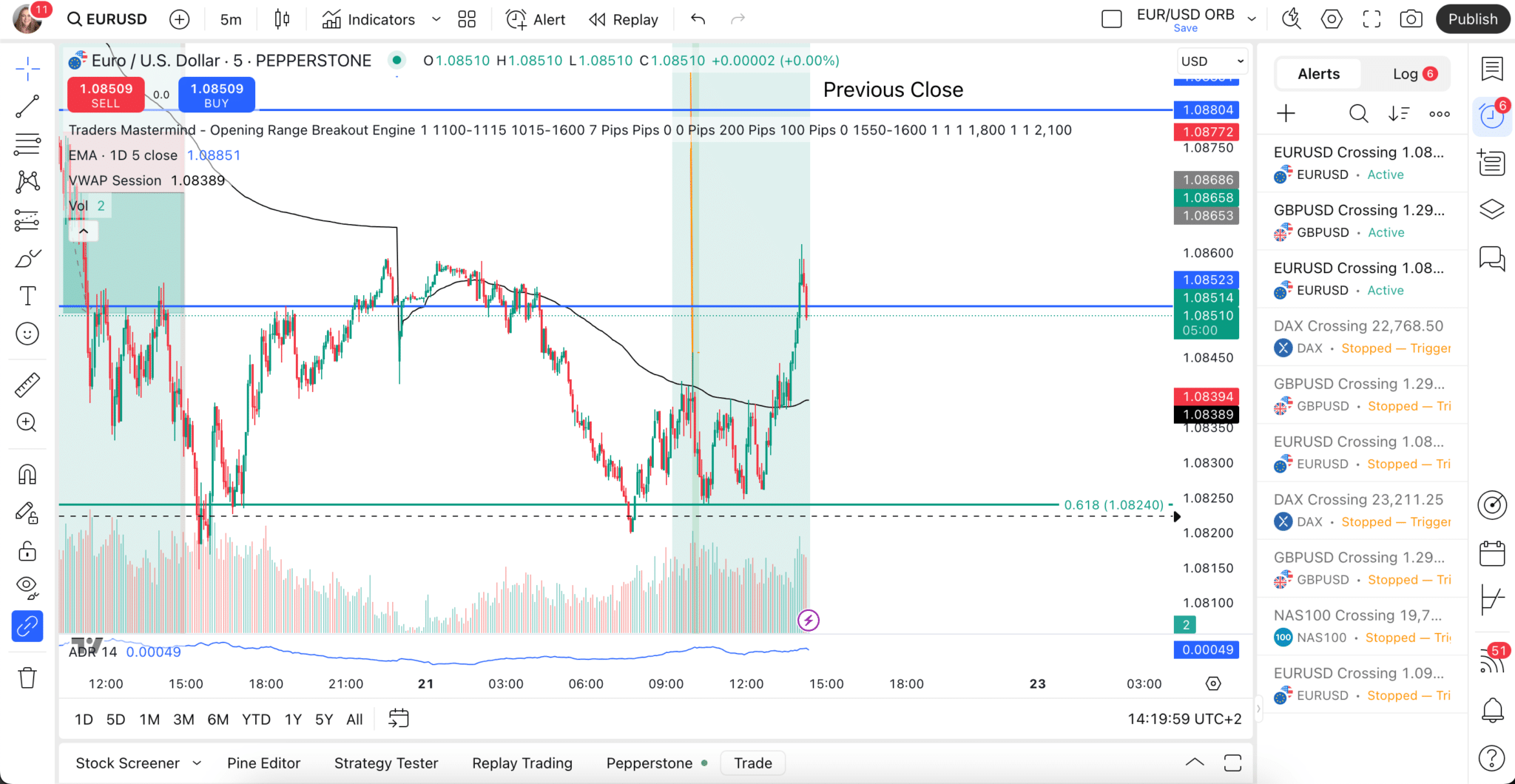
Pepperstone offers CFDs on popular cryptocurrencies including Bitcoin, Ethereum, Litecoin, and more, allowing traders to speculate on price movements without owning the underlying assets.
Supports MetaTrader 4, MetaTrader 5, and cTrader, providing flexibility and advanced trading features to suit various trading styles.
Offers tight spreads and low commissions, making it cost-effective for traders to enter and exit positions efficiently.
As an ASIC-regulated broker, Pepperstone ensures compliance with Australian financial regulations, offering peace of mind to traders.
The selection of cryptocurrencies is focused on major coins, which may not cater to traders interested in a broader range of altcoins.
Relies on third-party platforms, potentially lacking the integrated features found in proprietary trading platforms.
Pepperstone | Best For: Traders looking for low-cost crypto CFD trading with multiple platform options
FxScouts
YouTube
Select another broker to another broker to compare features, fees, and platforms side by side.
0.9 pips
ISA, FRSA, CBI, FSA-Japan, FSCA, ASIC, CySEC
AUD 100
MT4, MT5, AvaOptions, Avatrade Social
30:1
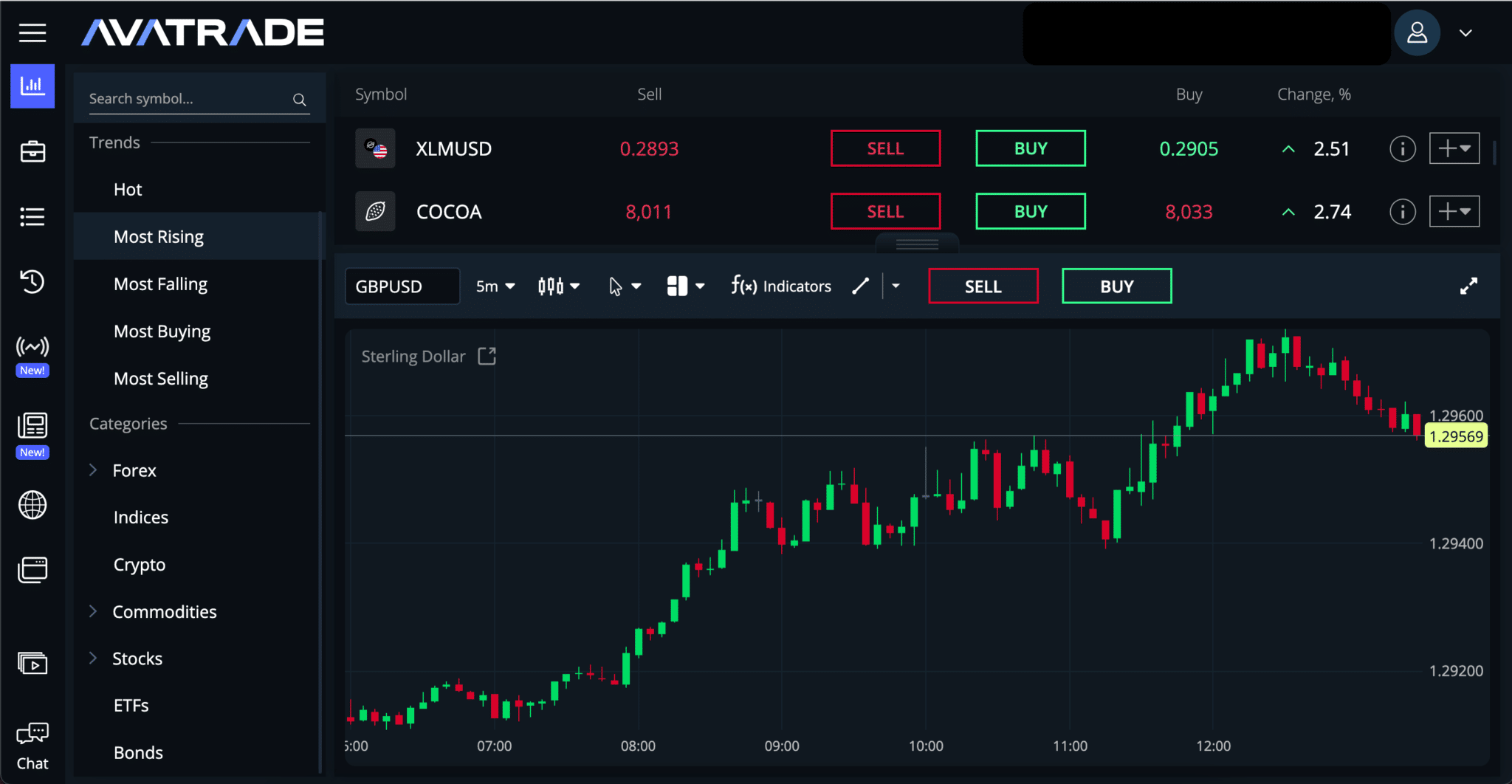
AvaTrade provides access to a wide range of cryptocurrencies, including Bitcoin, Ethereum, Ripple, and more, as well as crypto indices, offering diversified exposure.
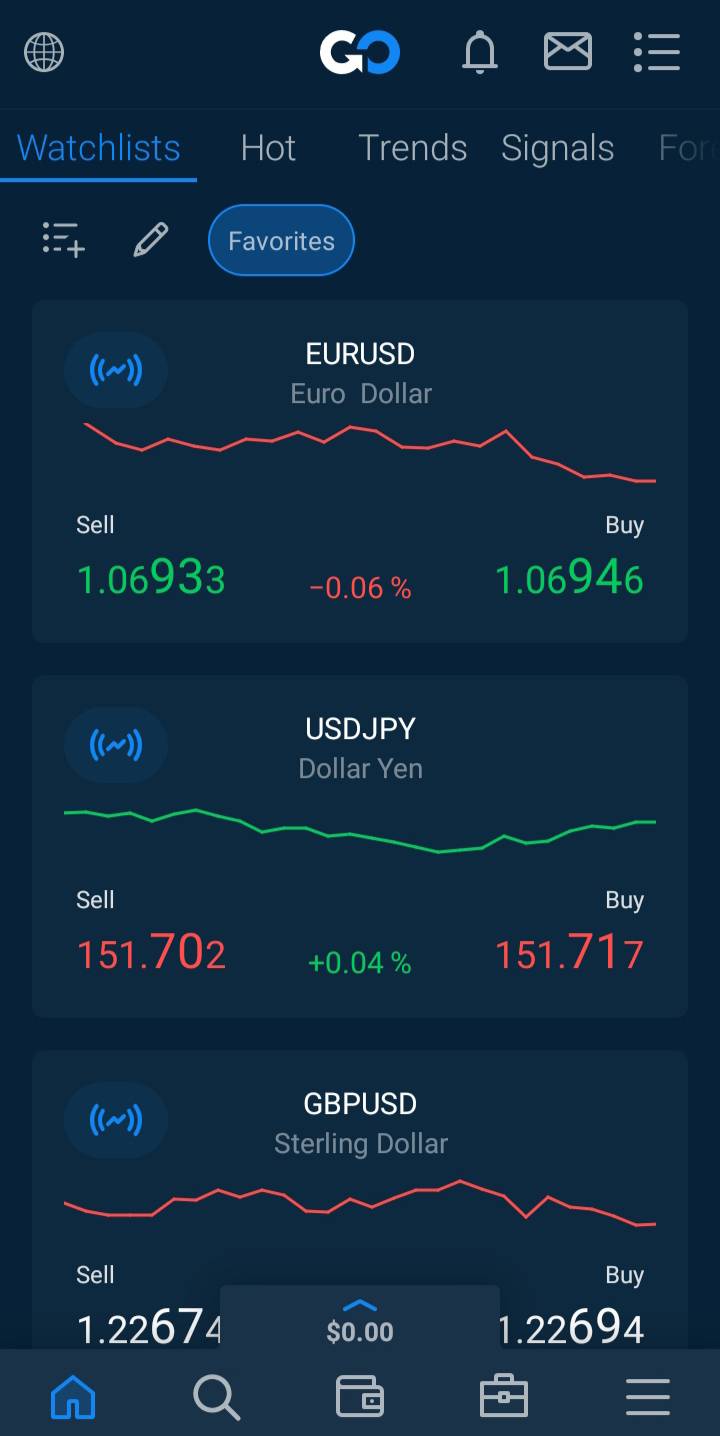
The AvaTradeGO app offers an intuitive interface with advanced features, suitable for both beginners and experienced traders.
Supports automated trading through platforms like DupliTrade and ZuluTrade, enabling traders to follow and copy strategies from experienced investors.
Being ASIC-regulated ensures adherence to strict financial standards, providing security for Australian traders.
Compared to some competitors, AvaTrade's spreads on cryptocurrencies may be wider, potentially increasing trading costs.
While user-friendly, the platform may lack some of the advanced charting capabilities found in other trading platforms.
AvaTrade | Best For: Traders interested in a user-friendly platform with a variety of crypto trading options
FxScouts
YouTube
Select another broker to another broker to compare features, fees, and platforms side by side.
0 pips
VFSC, ASIC
AUD 0
cTrader, MT4, TradingView, MT5
500:1
Fusion Markets offers crypto CFD trading with no commissions, making it an attractive option for traders looking to minimize costs.
Supports MetaTrader 4, MetaTrader 5, and cTrader, providing flexibility and advanced trading features.
As an ASIC-regulated broker, Fusion Markets ensures compliance with Australian financial regulations, offering security to traders.
Offers tight spreads on major crypto pairs like BTC/USD and ETH/USD, helping to reduce overall trading costs.
The range of available cryptocurrencies is narrower compared to some competitors, which may not satisfy traders seeking a broader selection.
Relies on third-party platforms, potentially lacking the integrated features found in proprietary trading platforms.
Select another broker to another broker to compare features, fees, and platforms side by side.
0 pips
SCB, ASIC, CySEC, FCA
AUD 100
MT4, TradingView, MT5
30:1
Select another broker to another broker to compare features, fees, and platforms side by side.


An overview of how crypto CFDs work, their legal status in Australia, and what you should look for in a crypto CFD broker
This is the distinction that often gets lost. Trading a crypto CFD is not the same as buying Bitcoin on an exchange.
Cryptocurrency CFDs are a way to speculate on fluctuations in the cryptocurrency market without actually owning the coins themselves. When you trade contracts for difference (CFDs), you don’t purchase the underlying asset. Instead, you use market analysis to predict whether the price of a given financial instrument will rise or fall.
| Crypto CFD trading | Buying real crypto |
|---|---|
| You speculate on price movement | You own the coin or token |
| No wallet is required | You need exchange custody or a wallet |
| You can go long or short | Most spot crypto investors are long-only |
| Leverage may be available | Spot crypto is usually unleveraged |
| You cannot transfer or stake coins | You can transfer, store, or stake some assets |
| Your counterparty is the broker | Your main risk is the exchange, custodian, or wallet setup |
With crypto CFDs, if you correctly predict the price movement, you will earn money, but if you get it wrong, you will lose money. When you buy and hold cryptocurrencies, on the other hand, you can only profit from rising market prices. CFDs give you a way to profit no matter which way the market is moving.
If your plan is to hold Bitcoin for five years, a crypto CFD is probably the wrong tool. If your plan is to trade short-term price movement without managing wallets and private keys, CFDs may make more sense — assuming you understand the risks.
Yes, trading crypto CFDs is legal in Australia. The Australian Securities and Investments Commission (ASIC) regulates the offering of crypto CFDs under its derivatives licensing framework. Brokers must hold an Australian Financial Services (AFS) licence and comply with strict obligations around disclosure, risk warnings, and leverage limits.
Since 2021, ASIC has also introduced leverage restrictions and negative balance protection for retail clients trading CFDs—including crypto. These rules are designed to protect traders from excessive losses while still allowing access to the crypto market through leveraged CFD instruments.
Before opening an account, check:
| What to check | Why it matters |
|---|---|
| Your country’s rules | Crypto derivative restrictions differ by jurisdiction |
| The broker entity | Protections vary between FCA, ASIC, CySEC, offshore, and other entities |
| Retail vs professional status | Leverage and protections may change |
| Crypto leverage limits | Crypto leverage is usually lower than forex leverage |
| Negative balance protection | Important when trading volatile instruments |
The dull administrative details matter here. Crypto CFDs are already risky. Accidentally trading under the wrong entity is not the kind of excitement anyone needs.
Just as when you trade any other currency, you trade cryptos in pairs, either against fiat currencies such as the US dollar or against another crypto. For example, you could trade Bitcoin against the euro (BTC/EUR) or against Ethereum (BTC/ETH). The US dollar is by far the most traded fiat currency globally, and BTC/USD (where BTC is the base currency) is the most popular crypto-to-fiat pair. For example, when the price of the BTC/USD pair is 60,000, it takes US$60,000 to buy one Bitcoin.
Crypto is volatile, but not all crypto CFD trading conditions are equal. Two brokers may both offer BTC/USD, but the real experience can be very different.
| Trading condition | Why it matters |
|---|---|
| BTC/USD and ETH/USD spreads | These are usually the main markets for most crypto CFD traders |
| Weekend trading | Crypto trades around the clock, but broker access and conditions can vary |
| Maximum crypto leverage | Crypto leverage is usually lower than forex leverage and can be entity-specific |
| Crypto pair range | Important if you trade altcoins rather than only BTC and ETH |
| Platform stability | Volatile markets expose weak platforms quickly |
| Order execution | Slippage matters more when markets move violently |
| Funding and withdrawals | Fast payments matter, especially for active traders |
| Regulation | The broker is your counterparty, so oversight matters |
This is where crypto CFD broker selection becomes more serious. A long list of crypto pairs is nice, but if spreads are wide, execution is poor, or the broker’s regulation is unclear, that impressive product range starts to look rather less impressive.
There is no single best crypto CFD broker for everyone. Annoying, perhaps, but true.
If you mainly trade Bitcoin and Ethereum, you may be better served by a broker with tighter spreads and stronger execution than one offering a huge list of smaller coins. If you want to trade over weekends, check that crypto trading is actually available outside normal market hours and that conditions remain reasonable. If you are new to crypto CFDs, regulation and platform simplicity should matter more than the number of exotic tokens on offer.
| Trader type | What to prioritise |
|---|---|
| Bitcoin and Ethereum traders | Tight spreads, strong execution, reliable platform |
| Altcoin traders | Wider crypto CFD range |
| Weekend traders | 24/7 access and clear weekend conditions |
| Beginners | Regulation, simple platform, clear risk controls |
| Copy traders | Transparent trader data and risk controls |
| Active traders | Execution speed, spread stability, platform reliability |


Crypto markets move quickly, often dramatically, and CFDs give traders a way to speculate on that movement without owning the underlying asset. But volatility cuts both ways. The same movement that creates opportunity can also destroy a trading account with impressive speed.
| Advantage | What it means in practice |
|---|---|
| Leverage | You can control a larger position with less capital, though losses are also magnified |
| Short selling | You can trade falling crypto markets, not just rising ones |
| No wallet required | You avoid private keys, wallet setup, and exchange custody issues |
| 24/7 market access | Many brokers offer weekend crypto trading, useful for active traders |
| Familiar CFD platforms | You can often trade crypto alongside forex, indices, and commodities |
The disadvantages are just as important.
| Risk | What this means in practice |
|---|---|
| Volatility | Crypto can move sharply in minutes, not just days |
| Leverage risk | Small price moves can create large account losses |
| Overtrading | 24/7 access can encourage constant trading |
| Counterparty risk | CFDs are broker-issued contracts |
| No asset ownership | You cannot transfer, stake, or store the coins |
| Spread widening | Costs can rise during volatility or low-liquidity periods |
This is the awkward truth of crypto CFDs: they make crypto easier to trade, but not safer. Convenience is useful. It is not protection.


Answers to common questions about how cryptocurrency trading works and how to get started.
To avoid scams, you should only use regulated crypto brokers. Start by identifying the broker’s legal name and its operating country, then verify its status on the appropriate regulator’s website. For example, a broker operating in Australia should be licensed by ASIC, while one in South Africa should be registered with the Financial Sector Conduct Authority (FSCA). At FxScouts, we evaluate brokers across more than 100 international regulators to ensure transparency and safety.
It can be, but profits depend on timing, risk management, and market knowledge. High volatility means both opportunities and risks.
Yes. Most brokers offer 24/7 crypto trading, including weekends and holidays.
Yes — crypto profits are taxable in Australia. The Australian Taxation Office (ATO) treats cryptocurrencies as property, meaning gains from trading (including CFDs) are subject to Capital Gains Tax (CGT) when held for investment, or ordinary income tax if you’re in business as a trader.
No. Since you don’t own the underlying asset, no wallet is needed.
If trading with high leverage and without stop-losses, it is possible. Choose brokers that offer negative balance protection.
Trading cryptocurrency is a very high-risk market. In part, this is because the market doesn’t have a long history, so we can’t refer to previous market behaviour, but also because it does not have the same oversight and controls as fiat currencies. This lack of control makes the market an unpredictable asset to trade.
Curious about the latest in forex? You’re not alone. Many traders and investors are digging deeper into these topics to refine their strategies and understanding. Here’s a curated selection of “others also viewed” articles, offering a range of perspectives and insights that could prove valuable for your own forex journey.

Good Forex brokers for beginners will help their clients get started. These are the best Forex brokers for beginners in Australia for 2026.

Which broker offers the lowest spreads? We compare Forex spreads across 160+ regulated Forex brokers accepting Australian clients using the latest data.

Find the best brokers for trading the VIX, offering precise execution, low fees, and advanced tools to capitalise on market volatility.
60-90% of retail traders lose money trading Forex and CFDs. You should consider whether you understand how CFDs and leveraged trading work and if you can afford the high risk of losing your money. We may receive compensation when you click on links to products we review. Please read our advertising disclosure. By using this website, you agree to our Terms of Service.
Partner Manager and Financial Writer
Head of Content

Financial Writer



Welcome to the FxScouts community! We’re thrilled to have you on board. You’ve successfully signed up for our forex newsletter, where you’ll receive expert insights, market analysis, and the latest news straight to your inbox.
Get ready to stay ahead of the curve with our regular updates designed to help you make informed trading decisions.
Happy trading!
The FxScouts Team