




Beginner? → Avatrade vs Axi
Low trading costs? → Pepperstone vs FP Markets
Social trading? → AvaTrade vs markets.com
MetaTrader? → Pepperstone vs FP Markets
High leverage? → FP Markets vs Axi



Select a different country or region to view content tailored to your location.

FxScouts helps traders across the globe by meticulously testing and reviewing online brokers and providing Forex education and market analysis. Our partners compensate us through paid advertising. While partners may pay to provide offers or be featured, they cannot pay to alter our recommendations, advice, ratings, or any other content. Our content and research teams do not participate in any advertising planning nor are they permitted access to advertising campaign data. For more detailed information click this link.

<p>Alison Heyerdahl is the Head of Content at FxScouts, a Chartered Market Technician (CMT), and an experienced trader, as well as a financial writer with extensive expertise in Forex trading, broker analysis, and market research. She has reviewed 100+ brokers, publishes weekly YouTube trading videos, and co-hosts the “Let’s Talk Forex” podcast.</p>

<p>Alison Heyerdahl is the Head of Content at FxScouts, a Chartered Market Technician (CMT), and an experienced trader, as well as a financial writer with extensive expertise in Forex trading, broker analysis, and market research. She has reviewed 100+ brokers, publishes weekly YouTube trading videos, and co-hosts the “Let’s Talk Forex” podcast.</p>
Chris manages the relationships with our partners to provide the best Forex trading experience possible for our users. Chris has 15+ years of research, and editorial and design experience for political and financial publications. His background has given him a deep understanding of international financial markets and the geopolitics that affect them.
Many Forex traders in Singapore lose money due to the risks of trading, high spreads, and poor regulation. However, choosing the right broker can help improve their chances of success.
We’ve spent 30,000+ hours testing and analysing 180+ brokers that accept traders from Singapore to bring you this exclusive, data-backed guide. We’ve tested and reviewed the leading brokers serving Singapore to bring you this in-depth, data-driven guide. The best Forex brokers in Singapore offer:
Trusted. Transparent. Tested.
For over a decade, we’ve set the standard in forex broker reviews—collecting thousands of data points yearly to deliver unbiased, expert-backed insights.
Skip the trial and error! Below, you’ll find the best forex brokers for Australian traders for 2026—thoroughly tested, verified, and ranked, so you can trade with confidence.

Retail Forex trading is legal and regulated in Singapore. Oversight falls under the Monetary Authority of Singapore (MAS), which licenses brokers offering leveraged Forex and CFD trading to individuals. MAS is widely regarded as one of the strictest regulators in the world, ensuring that only financially robust and transparent brokers are authorised to operate.
That said, many Singaporean traders also open accounts with large international brokers regulated by other top-tier authorities. This gives them access to competitive conditions while maintaining strong protections.
These regulators collectively help guarantee safer trading environments, although certain protections (like compensation schemes) may only apply to traders within those jurisdictions.
Tip: For maximum security, choose a broker licensed by MAS or at least one of these top-tier international authorities. Always check the broker’s license number directly on the regulator’s website.
Select another broker to another broker to compare features, fees, and platforms side by side.
Quick Forex Broker Finder Tool
Select another broker to another broker to compare features, fees, and platforms side by side.

0.0 pips
CMA, FSA-Seychelles, FSC, FSCA, ASIC
AUD 100
cTrader, MT4, TradingView, MT5, IRESS
30:1
FP Markets offers some of the tightest spreads in the industry, starting from 0.0 pips on major currency pairs, benefiting cost-conscious traders.
Access to MetaTrader 4, MetaTrader 5, cTrader, and TradingView provides a versatile trading experience with robust analytical tools.
FP Markets boasts rapid order execution, with average speeds under 40 milliseconds, minimizing slippage during volatile market conditions.
Trade a wide range of instruments, including forex, shares, indices, commodities, and cryptocurrencies, catering to diverse trading strategies.
Trade a wide range of instruments, including forex, shares, indices and commodities, catering to diverse trading strategies.
The variety of platforms may overwhelm beginners who prefer a more straightforward trading interface.
FP Markets | Best For: Traders seeking ultra-low spreads and advanced trading platforms

FxScouts
 YouTube
Select another broker to another broker to compare features, fees, and platforms side by side.
Best For: Traders looking for a reliable broker with strong customer support and low trading costs

0.0 pips
CMA, BaFin, SCB, DFSA, ASIC, CySEC, FCA
AUD 100
Pepperstone Platform, cTrader, MT4, TradingView, MT5
30:1
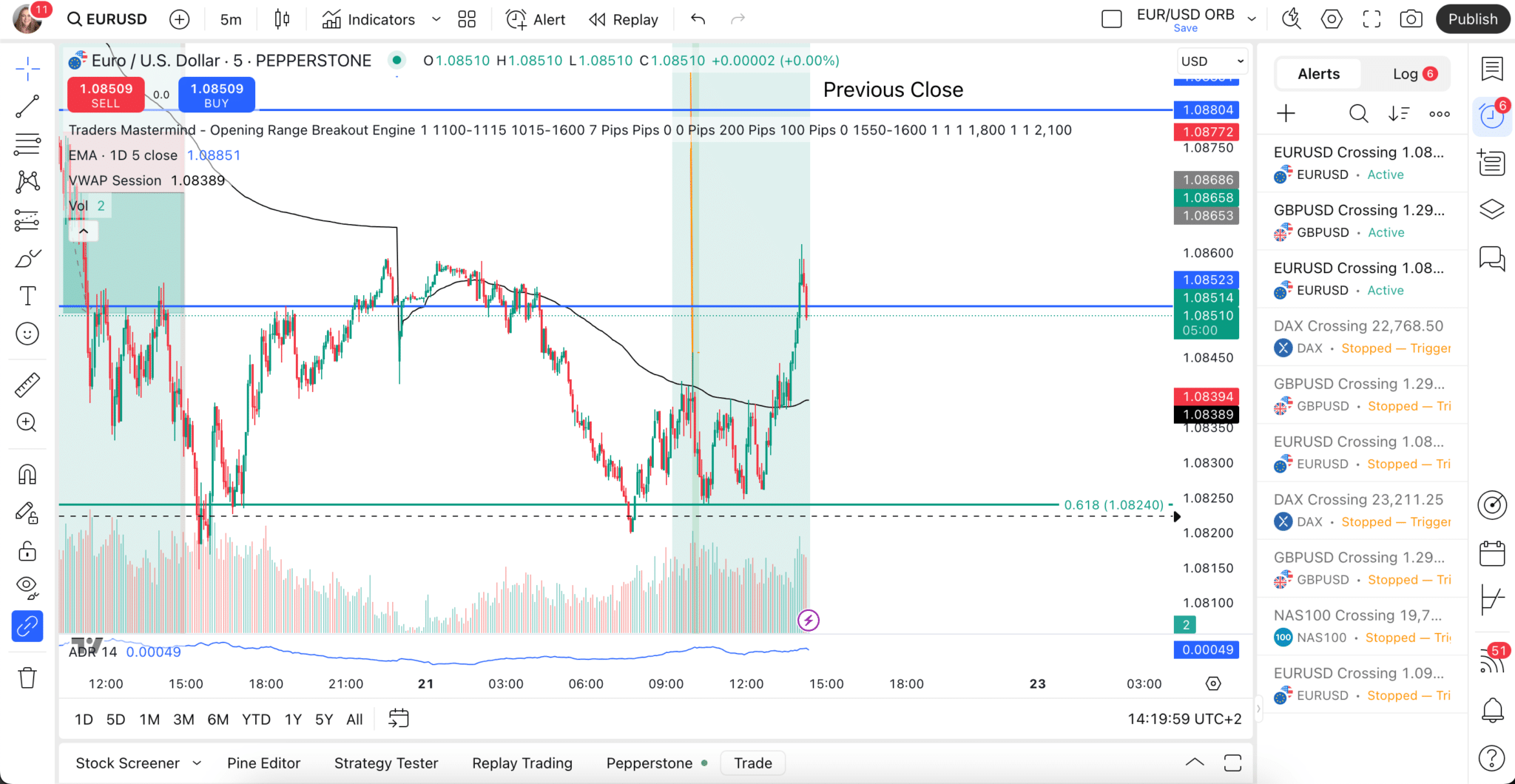
Pepperstone offers low spreads and commissions, making it an attractive option for traders focused on cost-efficiency.
Known for excellent customer service, Pepperstone provides responsive support to address trader inquiries and issues promptly.
Access to MetaTrader 4, MetaTrader 5, and cTrader platforms, along with a suite of analytical tools, supports sophisticated trading strategies.
Regulated by multiple authorities, including ASIC and FCA, ensuring a secure trading environment for clients.
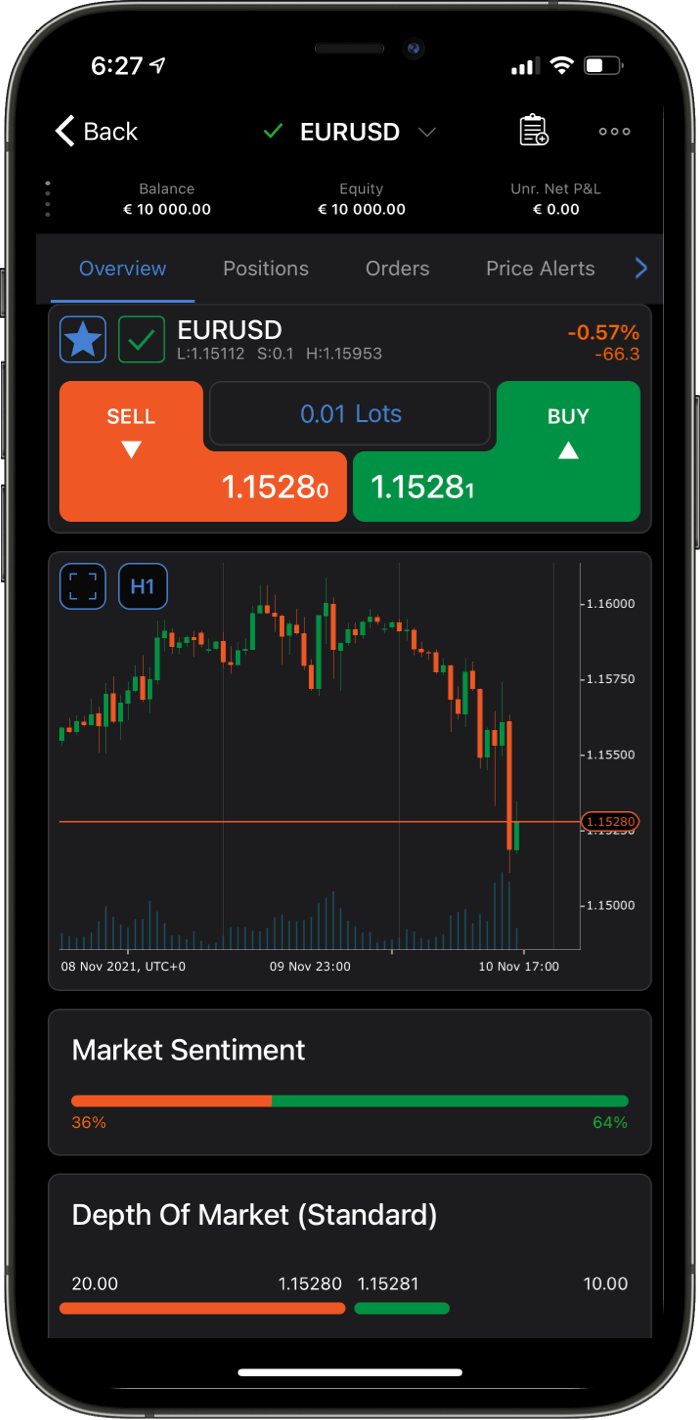
Pepperstone's app is basic and lacks more advanced features found in other proprietary platforms.
Not regulated by the Monetary Authority of Singapore, which may be a consideration for some local traders.
Pepperstone |
Best For: Traders looking for a reliable broker with strong customer support and low trading costs
FxScouts
YouTube
Select another broker to another broker to compare features, fees, and platforms side by side.

0.6 pips
BMA, CFTC, FINMA, FMA, BaFin, MAS, DFSA, FSA-Japan, FSCA, ASIC, FCA
AUD 0
MT4, TradingView, L2 Dealer
30:1
Trade over 17,000 markets, including a vast selection of share CFDs from global exchanges, offering unparalleled diversification.
Leverage IG's proprietary platform and mobile app, designed for intuitive navigation and efficient trading.
Access a wealth of educational materials, including webinars and tutorials, to enhance trading knowledge and skills.
Operating under the stringent regulations of the Monetary Authority of Singapore (MAS), ensuring a secure and transparent trading environment.
Trading certain international markets may incur higher fees, affecting cost-efficiency for some traders.
The fee structure can be intricate, potentially causing confusion for new traders.

IG | Best For: Traders seeking a comprehensive range of markets with robust trading platforms
FxScouts
YouTube
Select another broker to another broker to compare features, fees, and platforms side by side.

0.9 pips
ISA, FRSA, CBI, FSA-Japan, FSCA, ASIC, CySEC
AUD 100
MT4, MT5, AvaOptions, Avatrade Social
30:1
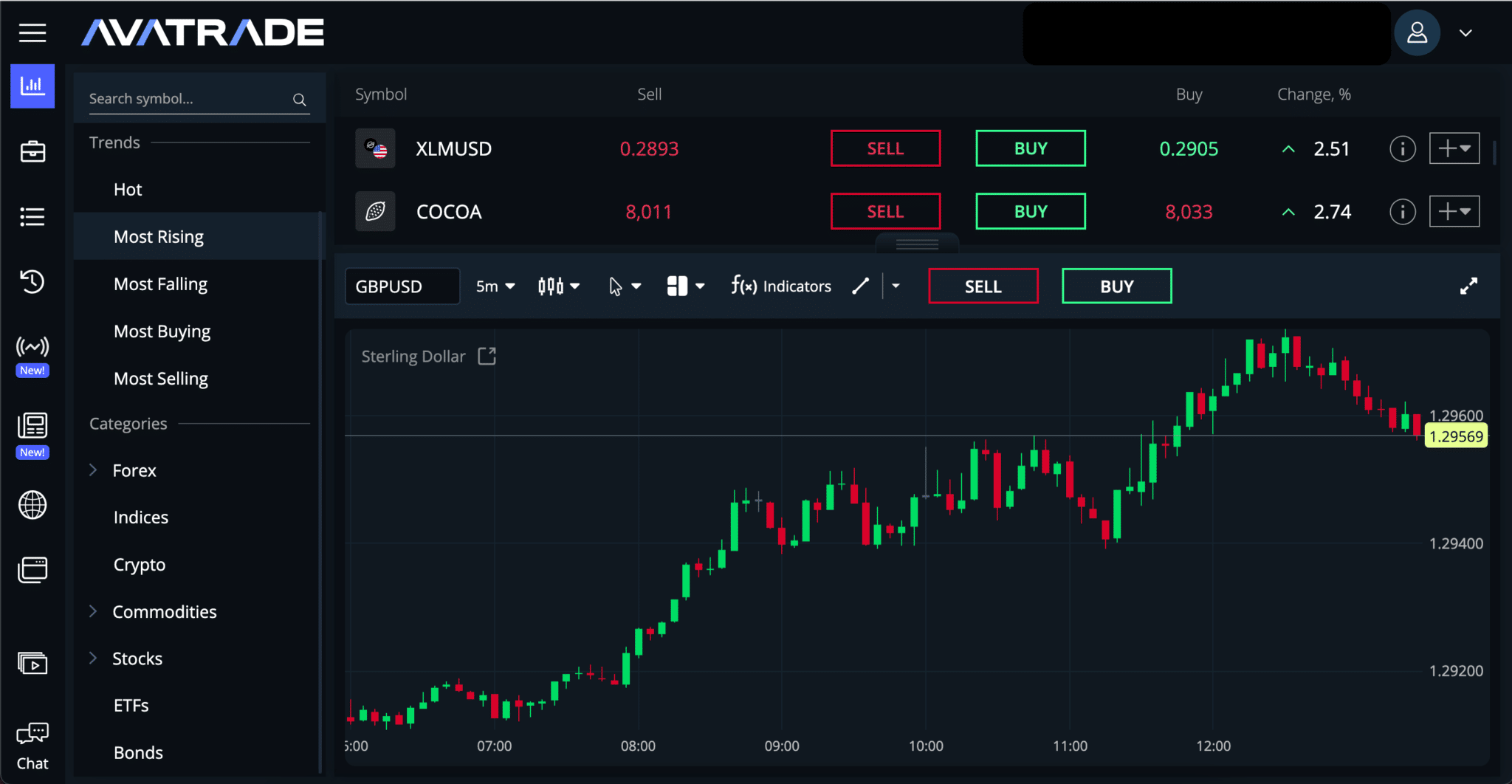
AvaTrade offers a wide range of instruments, including forex, stocks, commodities, cryptocurrencies, and indices, catering to various trading preferences.
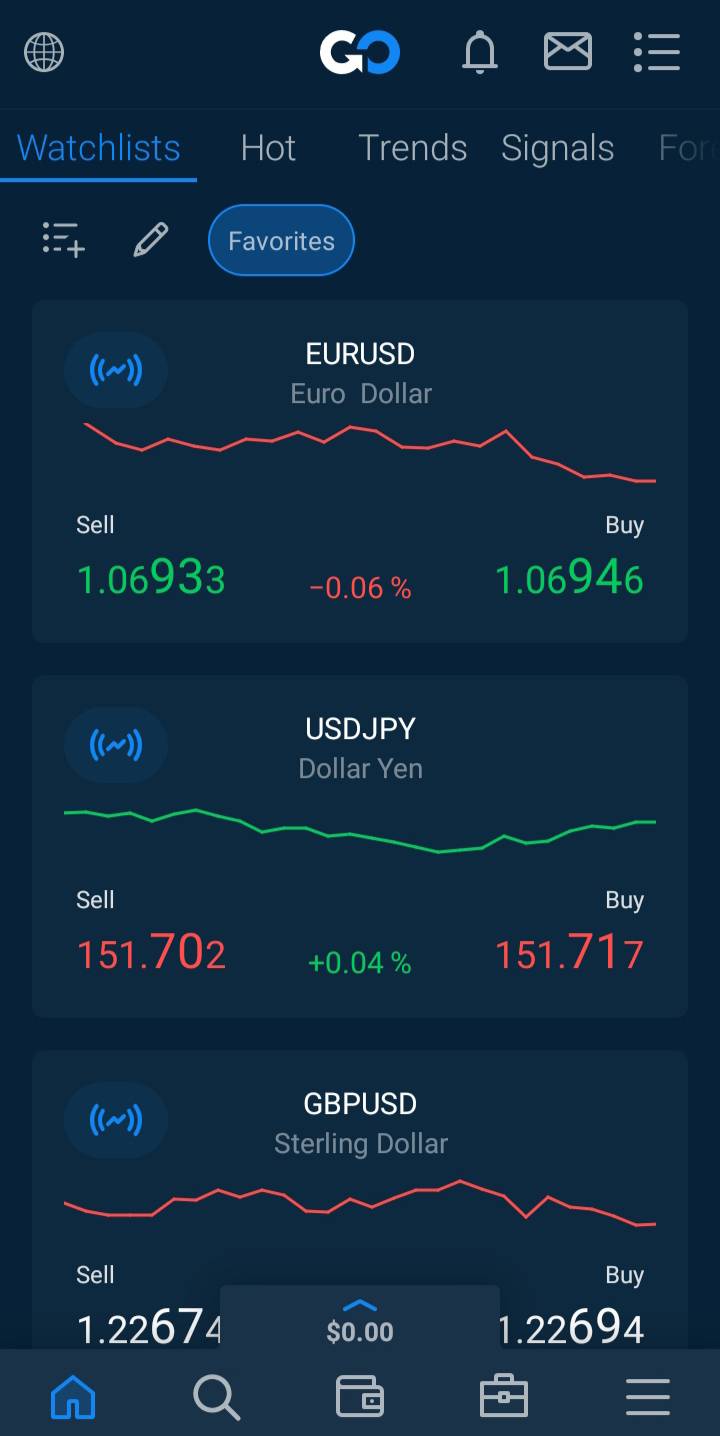
Provides intuitive trading platforms, including AvaTradeGO and WebTrader, suitable for traders of all experience levels.
Offers comprehensive educational materials, including webinars and tutorials, to support trader development.
Regulated by multiple authorities, including ASIC and the Central Bank of Ireland, ensuring a secure trading environment.
While user-friendly, the platforms may lack some advanced features desired by professional traders.
Not regulated by the Monetary Authority of Singapore, which may be a consideration for some local traders.
AvaTrade | Best For: Traders interested in a user-friendly platform with a variety of trading instruments
FxScouts
YouTube
Select another broker to another broker to compare features, fees, and platforms side by side.

1 pips
FSA-St-Vincent, FSCA, CySEC
AUD 100
MT4, MT5, markets.com
30:1
Access over 2,200 instruments, including forex, stocks, commodities, and indices, providing ample opportunities for diversification.
The Marketsx platform offers advanced charting tools and customizable features, catering to both novice and professional traders.
Provides a wealth of educational materials, including webinars and tutorials, to enhance trading knowledge and skills.
Regulated by multiple authorities, including ASIC and CySEC, ensuring a secure trading environment.
Markets.com does not accept clients from Singapore, limiting accessibility for local traders.
The advanced features of the Marketsx platform may present a learning curve for new traders.
Select another broker to another broker to compare features, fees, and platforms side by side.

In Singapore, Forex trading is regulated by the Monetary Authority of Singapore (MAS), but many traders also use brokers licensed by top-tier global authorities for added safety and transparency.
Yes, Forex trading is legal in Singapore. The Monetary Authority of Singapore (MAS) supervises capital markets and authorises certain financial institutions to provide leveraged Forex trading services. Well-known MAS-regulated brokers include IG Asia and CMC Markets Singapore.
That said, many Singaporean retail traders also open accounts with brokers regulated abroad, particularly by the FCA (UK), ASIC (Australia), or CySEC (Europe). These regulators impose strict standards on transparency, client fund protection, and ethical conduct. However, it’s important to note that some protections may only apply within the regulator’s home jurisdiction.
In Singapore, the Monetary Authority of Singapore (MAS) regulates the financial markets and authorises certain brokers to provide leveraged Forex trading to retail clients. MAS is regarded as one of the world’s strictest regulators, imposing tight leverage limits and rigorous compliance standards.
Because of these restrictions, many Singaporean traders also choose to work with international brokers regulated by respected global authorities such as the FCA (UK), the ASIC (Australia), or the CySEC (Europe).
Trading with a top-tier regulated broker offers:
In Singapore, the Monetary Authority of Singapore (MAS) regulates local financial markets and issues licences to brokers that are authorised to provide leveraged Forex trading to retail clients. Singaporean traders should confirm that their broker is either licensed by MAS or, if using an international broker, authorised by another top-tier regulator such as the FCA (UK), the ASIC (Australia), or CySEC (Europe).
If you want to verify that a broker is genuinely authorised by one of these regulators:
Security tip:
Besides regulation, trading costs are another important factor to consider when choosing a Forex broker. Trading costs include both spreads and commissions, and different brokers have different fee structures, depending on their pricing model, regulatory obligations, account types, and the trading platforms they offer.
In Forex, the spread is the difference between a currency pair’s buy price (ask) and the sell price (bid). It’s how most brokers make their money, especially those that offer commission-free trading.
For example, if the EUR/USD is quoted at 1.1000 (buy) / 1.0998 (sell), the spread is 2 pips. This means your trade starts 2 pips in the negative—you have to earn that back before you’re in profit. Lower (or tighter) spreads mean higher potential profitability over time.
From our experience, cost-effective Forex brokers are those that offer commission-free accounts with spreads lower than 1 pip on the EUR/USD. Examples include:
Note: Spreads can widen during major news events or periods of low market liquidity, such as late-night trading sessions. This can increase your costs and make it harder to manage your risk.
Some brokers, particularly ECN or Raw account brokers, charge a small commission per trade on top of offering extremely tight spreads (often close to 0.0 pips). This model is usually cheaper overall, especially if you’re trading larger positions or using a high-frequency strategy.
We found that brokers that have spreads close to 0 pips (EUR/USD) and a commission of 3.5 USD per side per lot are among the lowest in the industry. Examples include:
Some brokers now offer SGD or USD-denominated accounts with local deposit options that make funding easier for Singaporean traders, helping avoid excessive conversion charges and delays.
Brokers like IG and AvaTrade support deposits via bank transfer from local institutions such as DBS, UOB, and OCBC, alongside international card payments and widely used e-wallets.

Retail Forex in Singapore is regulated by MAS, with traders also using brokers licensed by global authorities like the FCA or ASIC. Always verify a broker’s licence before opening an account.

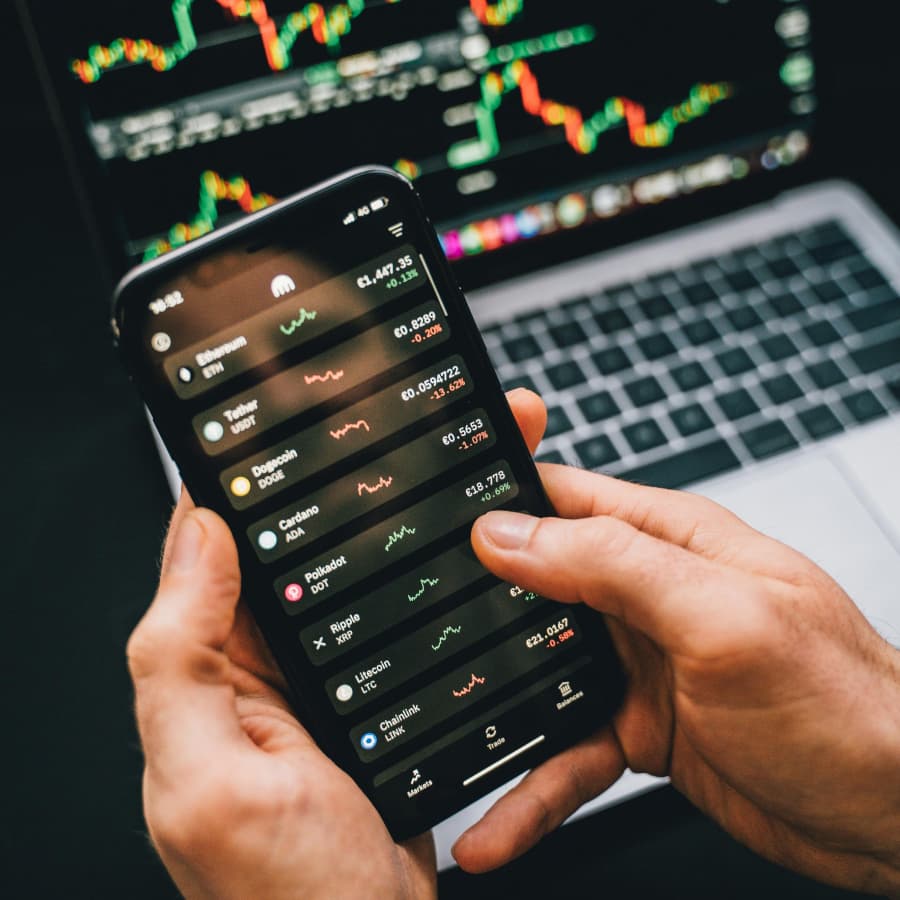
In Singapore, Forex trading is legal and regulated by the Monetary Authority of Singapore (MAS). While some traders use international brokers, MAS oversight provides added protection. Below are answers to common questions Singaporean traders ask when choosing a safe and affordable Forex broker.
The best Forex brokers for Singaporean traders are those authorised by the Monetary Authority of Singapore (MAS) or holding licences from other respected regulators such as the ASIC in Australia, the FCA in the United Kingdom, and CySEC in Europe. Examples include Pepperstone, IG, FP Markets, and Axi.
MAS-regulated brokers must adhere to strict capital requirements, segregation of client funds, transparent fee disclosures, and ongoing compliance checks. These measures provide strong protection for retail traders. Internationally regulated brokers that accept Singaporean clients also maintain high standards, offering competitive conditions such as tight spreads, low commissions, and broad asset coverage.
While SGD-denominated accounts are less common, these brokers provide USD or EUR accounts with efficient funding options, including bank transfers via DBS, OCBC, and UOB, as well as international cards and e-wallets. This ensures smooth deposits and withdrawals with minimal conversion costs, making it easier for traders in Singapore to manage their accounts.
Once you’ve chosen a reputable broker regulated by the Monetary Authority of Singapore (MAS) or a trusted international authority, you can begin trading by following these steps:
Open an Account
We recommend starting with a demo account to practice strategies and get comfortable with the broker’s trading platform. Once you achieve consistent results, open a live account by completing the application on the broker’s website and submitting KYC (Know Your Customer) documentation.
MAS-regulated brokers, as well as international ones serving Singapore, must comply with strict anti-money laundering (AML) rules, so they will verify your identity, source of funds, and monitor transactions for compliance.
Tip: Always read the broker’s terms and conditions carefully, as requirements can differ.
Deposit Money into Your Account
Most brokers available to Singaporean traders support deposits via local bank transfers (through DBS, UOB, and OCBC), PayNow, or international cards (Visa, Mastercard). E-wallets such as Skrill and Neteller are also common.
Only deposit money you are willing to risk, particularly when you are just starting out.
Open a Position
After conducting your technical and fundamental analysis, you can place a trade by selecting ‘buy’ to go long or ‘sell’ to go short. Adjust your position size based on your risk appetite, and always use stop-loss and take-profit orders to manage your exposure. Order types available include market, limit, and stop orders.
Develop a Trading Plan
Trading is challenging, and no strategy works all the time. You will experience losses, so it’s important to journal your trades and learn from your mistakes. Continue educating yourself—join trader communities, attend webinars, and listen to podcasts.
Don’t underestimate the importance of trading psychology. Staying disciplined and emotionally grounded is key to becoming a successful trader.
Yes. In Singapore, profits from Forex trading may be taxable depending on whether they are considered income or capital gains. The Inland Revenue Authority of Singapore (IRAS) generally treats capital gains as tax-free, which means that occasional or hobby traders often do not pay tax on their Forex profits.
However, if Forex trading is your primary source of income—for example, if you trade frequently, in large volumes, or as part of a business activity—then IRAS may classify your earnings as income, which is subject to personal income tax at progressive rates. For those trading through a registered company, standard corporate tax rules would apply.
Pro Tip: Keep detailed records of all transactions, including profits, losses, deposits, and withdrawals. A qualified Singapore tax professional can help determine whether your trading falls under capital gains (non-taxable) or income (taxable), as classification depends on your trading frequency, intent, and overall financial circumstances.
The Forex market operates 24 hours a day, five days a week, beginning in Sydney and ending in New York. For traders in Singapore, local market opening times shift slightly in line with daylight saving adjustments abroad.
For most Singaporean traders, the busiest and most liquid trading hours are:
These windows generally offer the tightest spreads and fastest execution, as they overlap with the world’s largest financial centres.
For beginners in Singapore, the best Forex brokers combine low entry costs, user-friendly platforms, and strong educational resources. Since MAS-regulated brokers are limited and many traders also use reputable offshore firms, it’s important to choose one that prioritises client protection and offers robust local or regional support.
The best brokers for beginners in Singapore typically:
Based on our research and testing, brokers that cater well to beginner traders in Singapore include:
For traders in Singapore, the best Forex trading platforms combine fast execution, strong charting tools, and support for both manual and automated strategies. Because many rely on globally regulated brokers in addition to MAS-authorised firms, it’s essential to choose a platform that is widely supported, reliable, and suited to different trading styles.
Platform recommendations for Singapore traders:
| Platform | Best for | Key Features | Available through |
|---|---|---|---|
| MetaTrader 4 (MT4) | Beginners | User-friendly interface, Expert Advisors (EAs), one-click trading, custom indicators | AvaTrade, Pepperstone, HFM, XM |
| MetaTrader 5 (MT5) | Advanced & multi-asset traders | More order types, built-in economic calendar, depth of market, faster backtesting | AvaTrade, Pepperstone, HFM, XM |
| cTrader | Scalpers & ECN traders | Level II pricing, Depth of Market (DoM), lightning-fast execution, custom cBots | Pepperstone, FP Markets, IC Markets |
| TradingView | Charting-focused traders | Best-in-class charting tools, hundreds of indicators, social trading features | Pepperstone, FP Markets, IC Markets |
| Proprietary Platforms | Beginners, those looking for easy-to-use platforms | Clean, intuitive interfaces, integrated trading tools, tailored for mobile devices | IG (Pro Realtime), AvaTradeGO, XTB (xstation5) |
Curious about the latest in forex? You’re not alone. Many traders and investors are digging deeper into these topics to refine their strategies and understanding. Here’s a curated selection of “others also viewed” articles, offering a range of perspectives and insights that could prove valuable for your own forex journey.

Good Forex brokers for beginners will help their clients get started. These are the best Forex brokers for beginners in Australia for 2026.

Which broker offers the lowest spreads? We compare Forex spreads across 160+ regulated Forex brokers accepting Australian clients using the latest data.

Find the best brokers for trading the VIX, offering precise execution, low fees, and advanced tools to capitalise on market volatility.
60-90% of retail traders lose money trading Forex and CFDs. You should consider whether you understand how CFDs and leveraged trading work and if you can afford the high risk of losing your money. We may receive compensation when you click on links to products we review. Please read our advertising disclosure. By using this website, you agree to our Terms of Service.
Partner Manager and Financial Writer
Head of Content
Financial Writer



Welcome to the FxScouts community! We’re thrilled to have you on board. You’ve successfully signed up for our forex newsletter, where you’ll receive expert insights, market analysis, and the latest news straight to your inbox.
Get ready to stay ahead of the curve with our regular updates designed to help you make informed trading decisions.
Happy trading!
The FxScouts Team