







- Find the best broker for your trading needs
- Compare spreads, fees, and platforms
- Read in-depth reviews and analysis

Page Navigation


Select a different country or region to view content tailored to your location.

FxScouts helps traders across the globe by meticulously testing and reviewing online brokers and providing Forex education and market analysis. Our partners compensate us through paid advertising. While partners may pay to provide offers or be featured, they cannot pay to alter our recommendations, advice, ratings, or any other content. Our content and research teams do not participate in any advertising planning nor are they permitted access to advertising campaign data. For more detailed information click this link.

<p>Alison Heyerdahl is the Head of Content at FxScouts, a Chartered Market Technician (CMT), and an experienced trader, as well as a financial writer with extensive expertise in Forex trading, broker analysis, and market research. She has reviewed 100+ brokers, publishes weekly YouTube trading videos, and co-hosts the “Let’s Talk Forex” podcast.</p>

<p>Alison Heyerdahl is the Head of Content at FxScouts, a Chartered Market Technician (CMT), and an experienced trader, as well as a financial writer with extensive expertise in Forex trading, broker analysis, and market research. She has reviewed 100+ brokers, publishes weekly YouTube trading videos, and co-hosts the “Let’s Talk Forex” podcast.</p>
Chris manages the relationships with our partners to provide the best Forex trading experience possible for our users. Chris has 15+ years of research, and editorial and design experience for political and financial publications. His background has given him a deep understanding of international financial markets and the geopolitics that affect them.
ECN brokers appeal to active Forex traders because they typically offer raw spreads, fast execution, and transparent pricing compared to dealing-desk brokers. ECN stands for Electronic Communication Network, which connects traders directly to a pool of liquidity providers so orders are matched electronically rather than handled internally. However, “ECN broker” is one of the most overused labels in retail trading. Some brokers offer true ECN execution, while others simply provide ECN-style pricing.
This guide explains how ECN brokers work, their pros and cons, and how to choose the best one.
Trusted. Transparent. Tested.
For over a decade, we’ve set the standard in forex broker reviews—collecting thousands of data points yearly to deliver unbiased, expert-backed insights.
Skip the trial and error! Below, you’ll find the best forex brokers for Australian traders for 2026—thoroughly tested, verified, and ranked, so you can trade with confidence.

Swipe to scroll
Broker | Official Site | Max. Leverage (Forex) | EUR/USD - Standard Account This is the spread on EUR/USD using the account with the smallest deposit requirements. | Trading Cost - Standard Account Total trading cost at the time of last update, for 1 lot of EUR/USD using the account with the lowest minimum deposit. Includes spread and commission. | EUR/USD - Raw Spread EURUSD spread on account with best pricing available for pro traders. | Trading Desk | Trading Commission | ASIC Regulated | Platforms | Compare | ||||
|---|---|---|---|---|---|---|---|---|---|---|---|---|---|---|
 | AUD 100 | 30:1 | 0.00 pips | USD 6 | 0 pips | STP | 6 USD / lot - RAW Accounts | Yes | 10162 | 70 | MT4, MT5, cTrader, TradingView, IRESS | |||
 | AUD 100 | 30:1 | 1.00 pips | USD 10 | 0.10 pips | NDD | 6 USD / lot | Yes | 1597 | 90 | MT4, MT5, cTrader, TradingView, Pepperstone Platform | |||
 | USD 0 | 500:1 | 0.80 pips | USD 8 | 0.18 pips | ECN/DMA | 6 USD / lot - ECN Prime | No | 26137 | 70 | MT4, MT5, cTrader, TradingView | |||
 | AUD 50 | 30:1 | 1.00 pips | USD 10 | 0.30 pips | ECN/DMA | Fees Included in Spread | Yes | 2500 | 63 | MT4, MT5 | |||
 | AUD 0 | 30:1 | 1.00 pips | USD 10 | 0.00 pips | ECN/DMA | 9 USD / lot - PRO account | Yes | 273 | 70 | MT4, MT5, TradingView | |||
 | AUD 0 | 500:1 | 0.00 pips | USD 4.50 | 0 pips | ECN/DMA | 4.5 AUD / lot (EUR/USD) | Yes | 247 | 81 | MT4, MT5, cTrader, TradingView |







Select another broker to another broker to compare features, fees, and platforms side by side.
Find Your Ideal Forex Broker
Select another broker to another broker to compare features, fees, and platforms side by side.
0.0 pips
CMA, FSA-Seychelles, FSC, FSCA, ASIC
AUD 100
cTrader, MT4, TradingView, MT5, IRESS
30:1
Connects directly to top-tier liquidity providers with raw spreads from 0.0 pips and ultra-fast execution from Sydney-based data centres.
Rare among Aussie brokers, FP Markets provides cTrader with depth of market and advanced order types for ECN scalpers and algo traders.
Offers Direct Market Access on share CFDs—a feature few ECN brokers provide—ideal for equity-focused day traders.
Regulated by ASIC (AFSL #286354) with segregated accounts and local investor protection frameworks.
$3 per side per lot on Raw accounts—cost-efficient for volume traders but may add up for low-frequency traders.
DMA and ECN tools may be too complex for beginners without prior exposure to institutional trading setups.

FP Markets | Best For: Australian traders wanting institutional-grade ECN pricing on MT4/MT5 and cTrader with deep liquidity and competitive costs.

FxScouts
 YouTube
Select another broker to another broker to compare features, fees, and platforms side by side.

0.0 pips
CMA, BaFin, SCB, DFSA, ASIC, CySEC, FCA
AUD 100
Pepperstone Platform, cTrader, MT4, TradingView, MT5
30:1
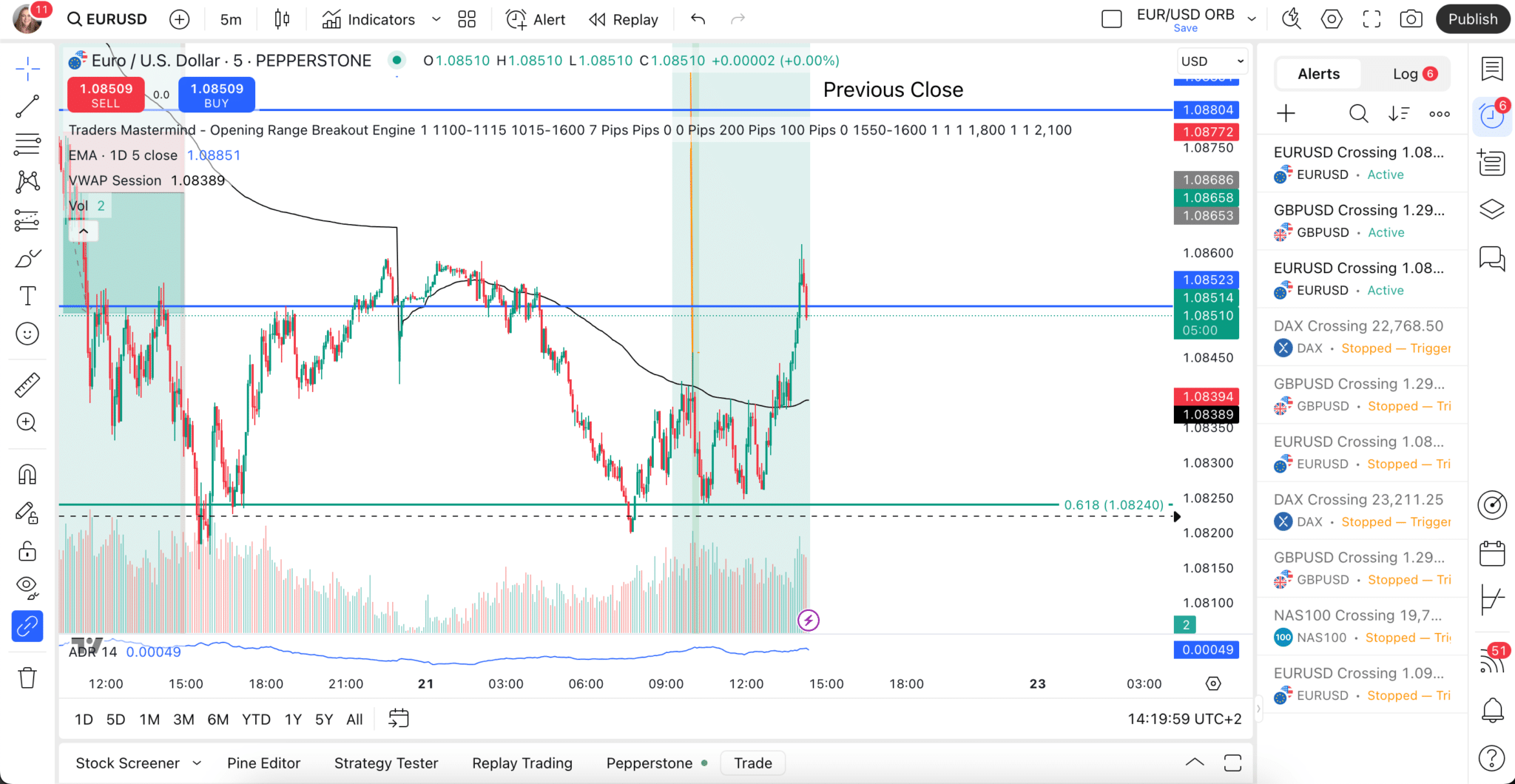
Spreads from 0.0 pips + $3.50 per lot on Razor account replicate institutional ECN models, ideal for scalping and automated trading.
Ultra-low latency execution via global hubs reduces slippage—perfect for EAs and HFT setups.
Free for MT4/MT5 users, this includes advanced order types, sentiment widgets, and correlation matrices.
Local compliance plus global reputation gives Pepperstone strong institutional credibility.
cTrader is only available to offshore clients—not accessible under the ASIC license for AU residents.
Short-lived demo access may restrict long-term strategy backtesting unless manually renewed.
Pepperstone | Best For: Australian scalpers and algo traders seeking Razor-spread ECN-style pricing with low latency and Smart Trader Tools.
FxScouts
YouTube
Select another broker to another broker to compare features, fees, and platforms side by side.
0.1 pips
FMA, FSA-Seychelles
USD 0
cTrader, MT4, TradingView, MT5
500:1
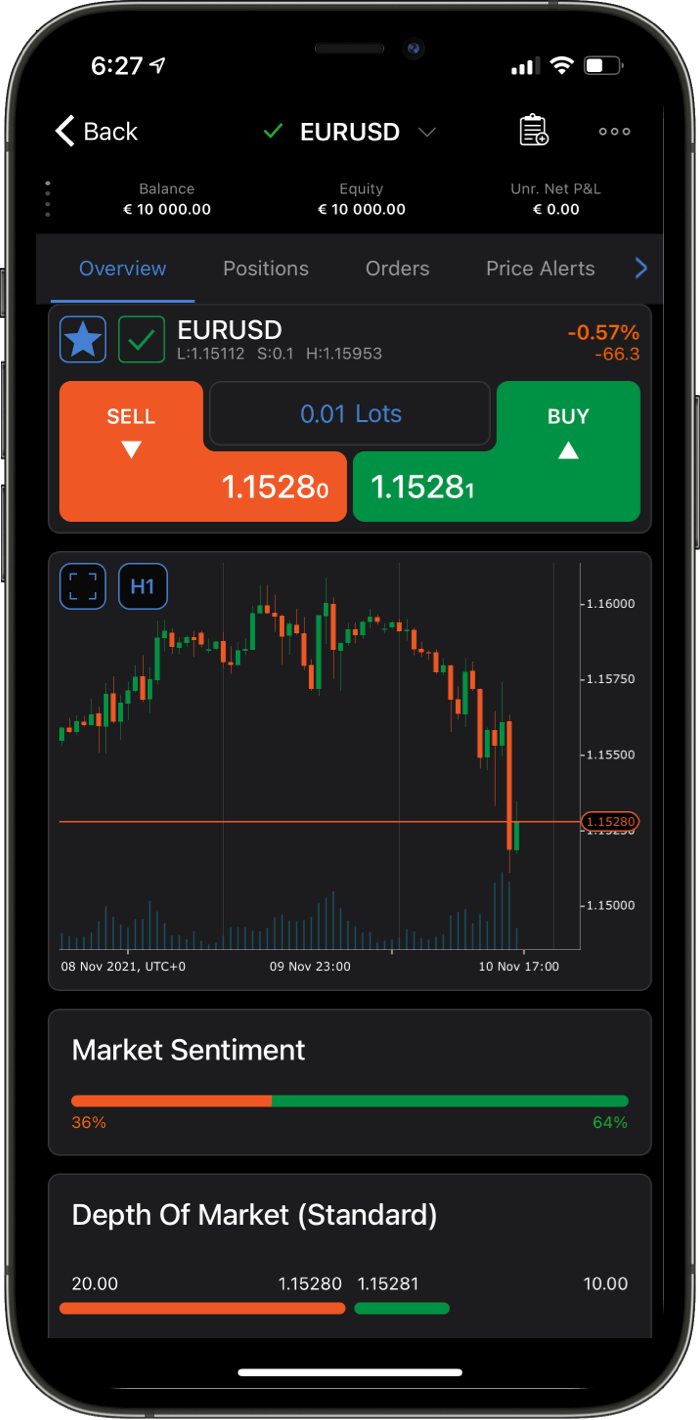
Direct-to-market routing via top-tier liquidity providers with raw spreads and institutional grade execution—ideal for professional setups.
Supports all major ECN-ready platforms, giving flexibility to traders and algo developers alike.
Ultra-low latency environment optimized for high-frequency traders and automated systems.
Standard, Prime, and Institutional tiers allow traders to graduate into higher liquidity and tighter costs as volume grows.
New Zealand-based regulation may not provide the same investor protection as ASIC for Australian residents.
User interface and backend portal may lack the polish and UX found with top-tier Aussie brokers.
Select another broker to another broker to compare features, fees, and platforms side by side.
1 pips
FSA-St-Vincent, FSCA, ASIC
AUD 50
MT4, MT5
30:1
Charges just $2.50 per side per lot—lower than many ECN competitors, especially on MT5 ECN accounts.
Professional traders can request VPS hosting with low latency execution—ideal for running MT4/5 EAs 24/7.
Smart ECN infrastructure routes orders to over 20 liquidity providers for tight spreads and fast execution.
Compared to Pepperstone or Axi, ACY’s learning resources are more suited to intermediate traders.
No cTrader or proprietary trading platform options for ECN traders preferring modern UIs.
Select another broker to another broker to compare features, fees, and platforms side by side.
0.0 pips
FMA, FSA-St-Vincent, DFSA, ASIC, CySEC, FCA
AUD 0
MT4, TradingView, MT5
30:1
Accessible ECN account setup without capital restrictions—great for new algo traders scaling into the market.
Integrated AI-driven analytics platform that scores trader performance—ideal for signal-based traders and mentors.
Advanced ECN order management tools include sentiment indicators, correlation matrices, and trade journaling features.
Multi-jurisdiction regulation with strong compliance for AU-based ECN traders looking for secure broker partnerships.
Platform range is limited to MT4, which may frustrate traders wanting modern UI or depth-of-market features.
Does not offer equities, ETFs or options—more focused on forex and select CFDs.

Axi | Best For: AU-based algorithmic traders looking for ECN-style execution with VPS hosting, institutional liquidity, and zero minimum deposit.
FxScouts
YouTube
Select another broker to another broker to compare features, fees, and platforms side by side.


An ECN broker routes trades into an electronic network where orders are matched with liquidity from banks, institutions, and other market participants. This model typically delivers tighter spreads, fewer requotes, and faster fills, but costs and execution quality still vary between brokers.
Instead of quoting fixed prices, ECN accounts usually show prices pulled from multiple liquidity sources, with spreads that fluctuate depending on real-time liquidity (how easily trades can be filled at a given price).
When you place an order, it is matched electronically at the best available price. In most cases, the broker earns money through a transparent per-trade commission rather than wider spreads. This structure is one reason ECN accounts are popular with scalpers, day traders, and algorithmic traders.
That said, real-world ECN setups vary. Many brokers operate hybrid ECN/STP models, which can still offer excellent conditions — but the execution policy matters more than the label. We break down the difference between ECN, STP, and market maker models below.
Execution models affect how trades are filled, how pricing is formed, and whether the broker may trade against you — so “ECN” is worth understanding before choosing an account.
Market makers quote their own prices and often fill trades internally. They typically earn through wider spreads and may take the other side of your trade, which can create a conflict of interest. They’re also the only model that can issue requotes in fast markets.
STP brokers route your trades to external liquidity providers, but you don’t connect to them directly — the broker acts as the middle layer. Costs are usually built into spread markups, commissions, or both, and pricing is often less transparent than ECN.
ECN brokers match orders electronically within a network of liquidity providers and traders. They usually offer raw, variable spreads with a clear commission and may include tools like Depth of Market for added transparency.
ECN brokers are popular for a reason — especially for traders who value execution speed and pricing transparency.
Because ECN pricing is built from multiple liquidity sources, spreads are often very low — sometimes near 0.0 pips on major pairs during liquid sessions.
Orders are matched electronically, which makes ECN accounts well suited to strategies where timing matters, including scalping, day trading, and algorithmic trading.
Because the broker is not usually the counterparty, ECN execution reduces concerns about broker intervention or incentives linked to client losses.
Many ECN accounts support Depth of Market (DOM) or Level II pricing, helping traders see where liquidity sits and how prices are formed.
ECN trading isn’t automatically “better” for every trader — and it comes with trade-offs that matter depending on your style.
ECN accounts typically charge a fixed commission per lot. Even when total costs are competitive, this can feel expensive if you’re used to spread-only accounts.
True ECN access is more costly for brokers to provide, so some ECN accounts require higher minimum deposits or larger position sizes.
ECN brokers almost always use variable spreads, not fixed spreads. In normal market conditions spreads can be extremely tight, but during news events, low liquidity, or volatility spikes, spreads can widen sharply and increase trading costs.
ECN execution reduces requotes, but it doesn’t eliminate slippage — fast-moving markets can still lead to fills at a different price than expected.
Raw spreads are only one part of the cost picture. To understand your real trading costs, you need to evaluate the full cost structure, especially if you trade frequently.
ECN trading costs usually come from:
A broker can advertise “0.0 pips” but still be expensive if its commissions or swaps are high — especially for scalpers or high-volume traders.
One of the most common mistakes traders make is assuming that an “ECN account” automatically means true ECN execution.
In reality, many brokers offer ECN-style pricing (raw spreads + commission) while routing trades through a middle layer rather than directly into an ECN network. This does not automatically make the broker bad — but it does mean you should judge the broker on trading conditions, execution reliability, and transparency rather than marketing labels.
As a rough guide, true ECN accounts often come with stricter conditions, such as higher deposits, larger minimum trade sizes, and more realistic leverage limits, because ECN infrastructure is expensive to provide.
Choosing an ECN broker isn’t just about spreads. The best brokers combine safe regulation, fair pricing, and strong execution — with withdrawals you can trust.
Start with strong regulation. Top-tier authorities enforce rules around client fund segregation and broker conduct, reducing the risk of misconduct or unsafe practices.
Look beyond raw spreads and compare the full cost of trading on your main pairs, including commission per lot and overnight swap rates. ECN accounts are only “cheap” when the combined cost stays competitive.
Execution quality depends heavily on liquidity depth and infrastructure. A strong ECN broker should deliver fast fills, stable pricing, and minimal slippage — especially in volatile markets.
Most ECN brokers offer MT4/MT5 and often cTrader. Prioritise brokers with stable platforms, low downtime, advanced order tools, and VPS options if you trade frequently or automate strategies.
Smooth funding and fast withdrawals matter more than many traders expect. Support quality also matters — execution issues or verification delays can quickly become costly if you trade actively.
ECN brokers tend to suit traders who care about execution quality and trading costs, especially:
They may be less ideal for traders who are new, trade very small sizes, or rely heavily on fixed spreads — because ECN pricing can widen sharply in volatile conditions.
ECN brokers can offer some of the best trading conditions available to retail Forex traders, particularly for those who prioritise tight spreads, fast execution, and transparent pricing. But not every broker claiming to be ECN offers the same level of execution — and ECN pricing does not always guarantee lower total costs.
If you trade frequently, use automation, or depend on precision execution, ECN brokers are often a strong fit. Just make sure you evaluate regulation, total costs, and withdrawal reliability before choosing your account.


Below are answers to common questions about ECN brokers
An ECN account routes orders into an electronic network where they’re matched against liquidity providers and other market participants. It usually uses raw spreads plus a fixed commission.
They use a non-dealing desk model, matching orders electronically rather than internalising trades through a dealing desk.
Most earn mainly from commission per trade, sometimes alongside small markups or service fees, depending on the broker model.
Yes — but spreads are often tighter and more variable because they reflect real-time market conditions.
In retail trading, the difference can overlap. What matters most is execution quality, pricing transparency, and liquidity depth — not just the broker’s label.
Curious about the latest in forex? You’re not alone. Many traders and investors are digging deeper into these topics to refine their strategies and understanding. Here’s a curated selection of “others also viewed” articles, offering a range of perspectives and insights that could prove valuable for your own forex journey.

Good Forex brokers for beginners will help their clients get started. These are the best Forex brokers for beginners in Australia for 2026.

Which broker offers the lowest spreads? We compare Forex spreads across 160+ regulated Forex brokers accepting Australian clients using the latest data.

Find the best brokers for trading the VIX, offering precise execution, low fees, and advanced tools to capitalise on market volatility.
60-90% of retail traders lose money trading Forex and CFDs. You should consider whether you understand how CFDs and leveraged trading work and if you can afford the high risk of losing your money. We may receive compensation when you click on links to products we review. Please read our advertising disclosure. By using this website, you agree to our Terms of Service.
Partner Manager and Financial Writer
Head of Content
Financial Writer



Welcome to the FxScouts community! We’re thrilled to have you on board. You’ve successfully signed up for our forex newsletter, where you’ll receive expert insights, market analysis, and the latest news straight to your inbox.
Get ready to stay ahead of the curve with our regular updates designed to help you make informed trading decisions.
Happy trading!
The FxScouts Team